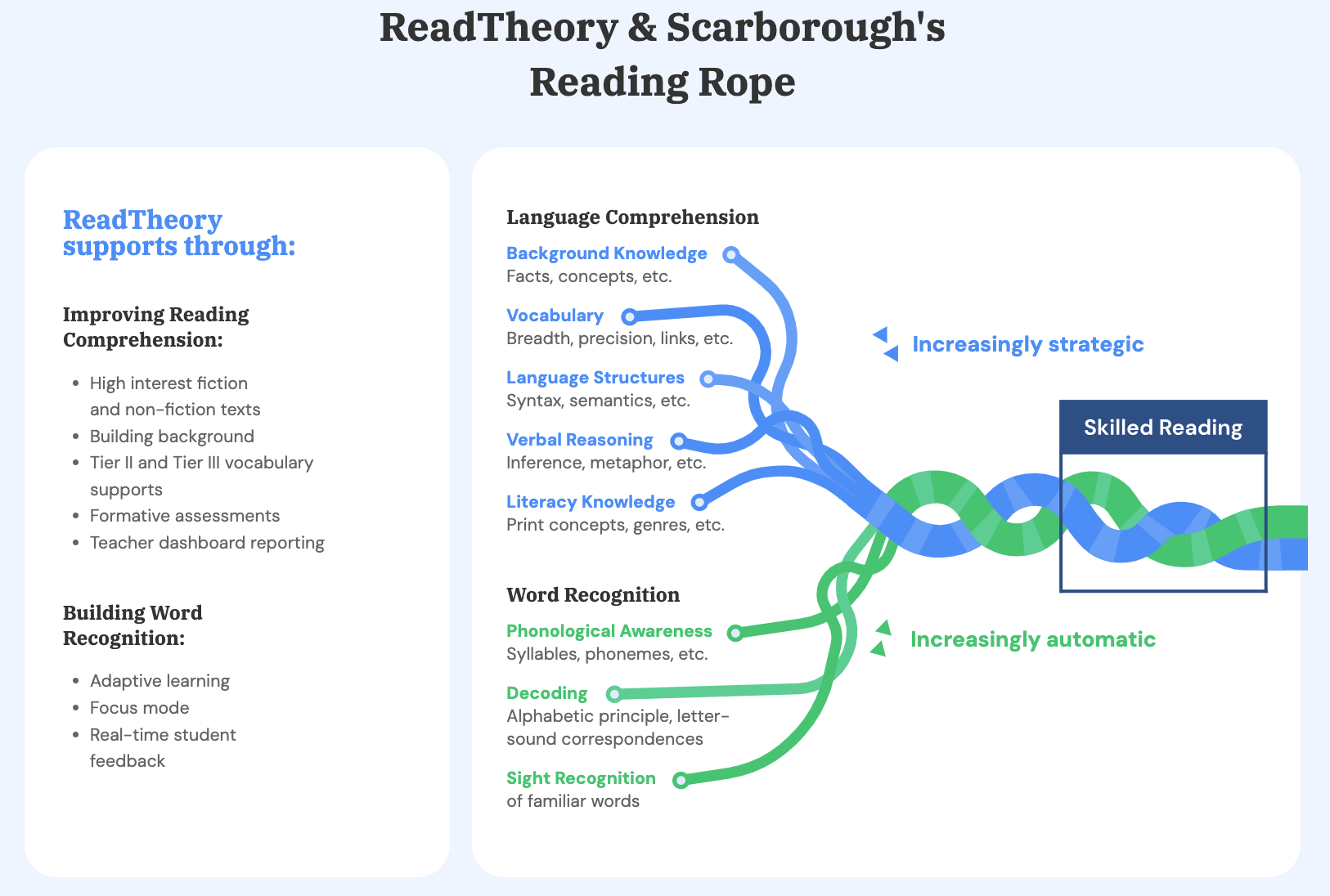
The ability to understand and interpret written text is a crucial skill known as reading comprehension. It plays a vital role in academic success and everyday communication. The Theory of Reading Comprehension explores the cognitive processes involved in understanding text, including decoding, fluency, and the integration of prior knowledge. This article delves into the key components of this theory and its implications for effective reading strategies.
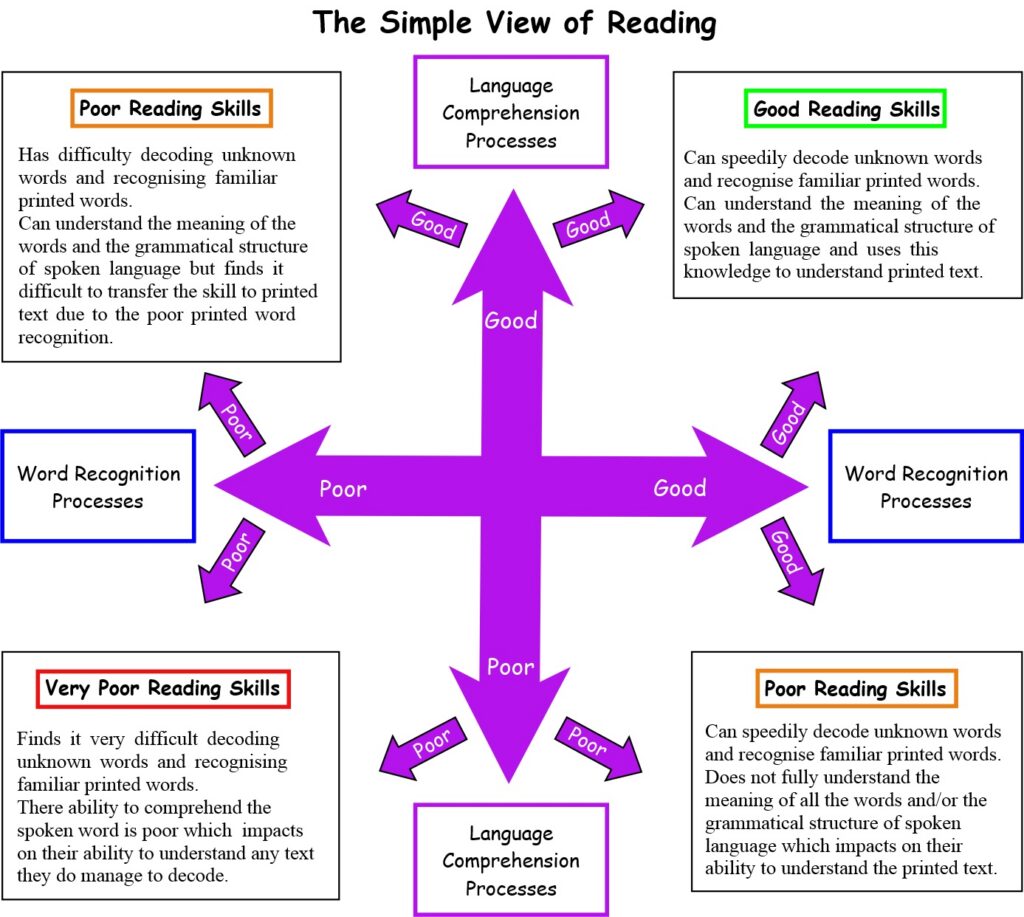
The Theory Of Reading Comprehension
Understanding the Components of Reading Comprehension
Reading comprehension involves several interconnected components that work together to facilitate understanding. These include decoding, which is the ability to translate written words into sounds, and fluency, which refers to the speed and accuracy of reading. Additionally, vocabulary knowledge significantly impacts comprehension, as a rich vocabulary allows readers to grasp more complex texts.
Another essential aspect is background knowledge. Readers bring their experiences and knowledge to the text, which helps them make connections and infer meaning. The interaction between these components forms the foundation of effective reading comprehension, enabling readers to engage with texts on a deeper level.
The Role of Cognitive Processes in Comprehension
Cognitive processes such as inference-making, summarization, and questioning are crucial for effective reading comprehension. Inference-making allows readers to fill in gaps in information, while summarization helps distill main ideas from complex texts. Questioning encourages active engagement with the material, prompting readers to think critically about what they are reading.
These cognitive strategies not only enhance understanding but also promote retention of information. By actively engaging with texts through these processes, readers can improve their overall comprehension skills and become more proficient in their reading abilities.
Strategies for Improving Reading Comprehension
To enhance reading comprehension skills, various strategies can be employed. One effective approach is teaching students to use graphic organizers, which help visualize relationships between ideas and concepts within a text. This method aids in organizing thoughts and improving retention.
Additionally, encouraging regular practice through diverse reading materials can significantly boost comprehension skills. Engaging with different genres and formats exposes readers to varied vocabulary and writing styles, further enriching their understanding and appreciation of texts.
Download The Theory Of Reading Comprehension
Manufacturer Site
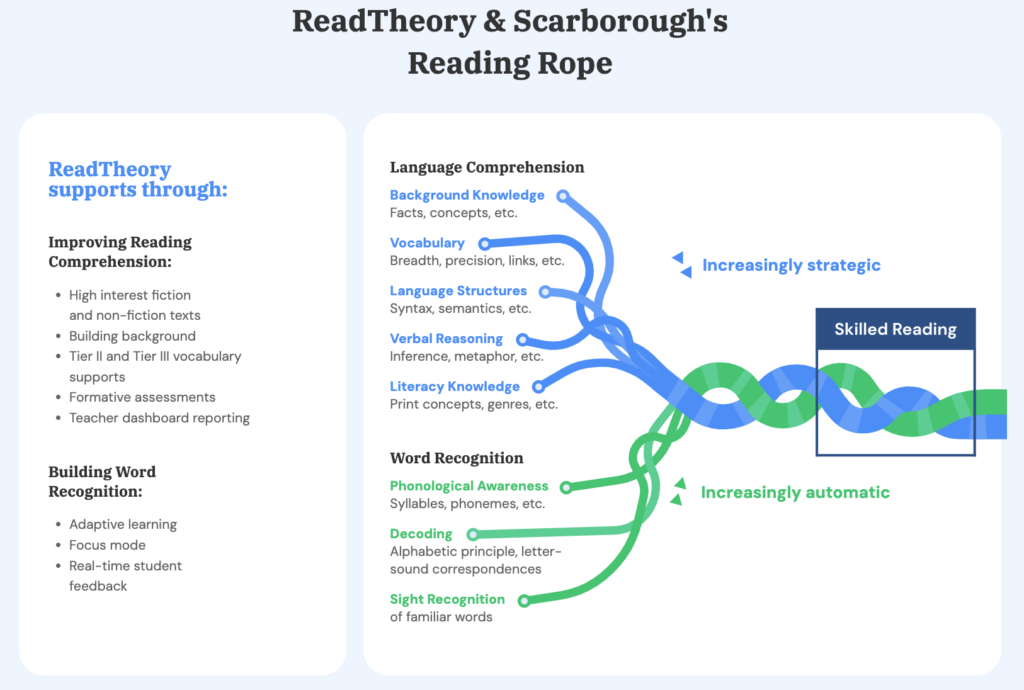
The Science Of Reading Beyond Phonics