
Reading comprehension is a crucial skill that impacts academic performance and everyday communication. A Reading Comprehension Test 6 is designed to assess a student’s ability to understand and interpret written texts. This test typically includes various passages followed by questions that evaluate comprehension, inference, and critical thinking skills. In this article, we will explore the components of a Reading Comprehension Test 6, its importance, and effective strategies for preparation.
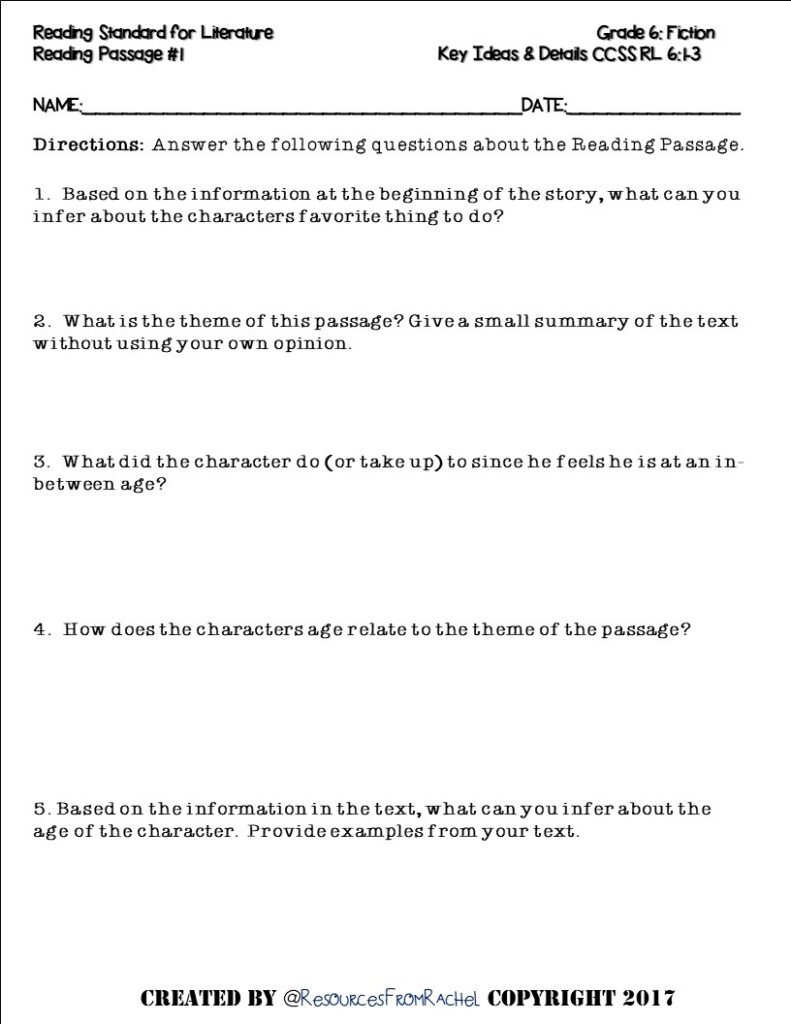
Reading Comprehension Test 6
Components of a Reading Comprehension Test 6
A Reading Comprehension Test 6 generally consists of multiple passages that vary in length and complexity. Each passage is followed by a set of questions that may include multiple-choice, short answer, or true/false formats. The questions are designed to test different levels of understanding, from basic recall of facts to deeper analysis and interpretation of themes and ideas.
In addition to the passages and questions, the test may also include vocabulary sections that assess a student’s understanding of key terms used within the texts. This comprehensive approach ensures that students are evaluated on their overall reading skills, including their ability to derive meaning from context and recognize literary devices.
Importance of Reading Comprehension Tests
Reading comprehension tests play a vital role in education as they help identify students’ strengths and weaknesses in reading skills. By assessing comprehension abilities, educators can tailor instruction to meet individual needs, ensuring that all students achieve proficiency in reading. This is particularly important as strong reading skills are foundational for success in all academic subjects.
Moreover, these tests prepare students for standardized assessments that they will encounter throughout their educational journey. Mastering reading comprehension not only enhances academic performance but also fosters critical thinking skills necessary for real-world problem-solving and effective communication.
Strategies for Preparing for a Reading Comprehension Test 6
To excel in a Reading Comprehension Test 6, students should engage in regular reading practice across various genres. This exposure helps build vocabulary and improves overall comprehension skills. Additionally, summarizing passages after reading can reinforce understanding and retention of key concepts.
Another effective strategy is to practice with sample tests or previous assessments. Familiarizing oneself with the test format and types of questions can reduce anxiety and improve performance on test day. Furthermore, discussing readings with peers or educators can enhance interpretation skills and provide diverse perspectives on the material.
Download Reading Comprehension Test 6
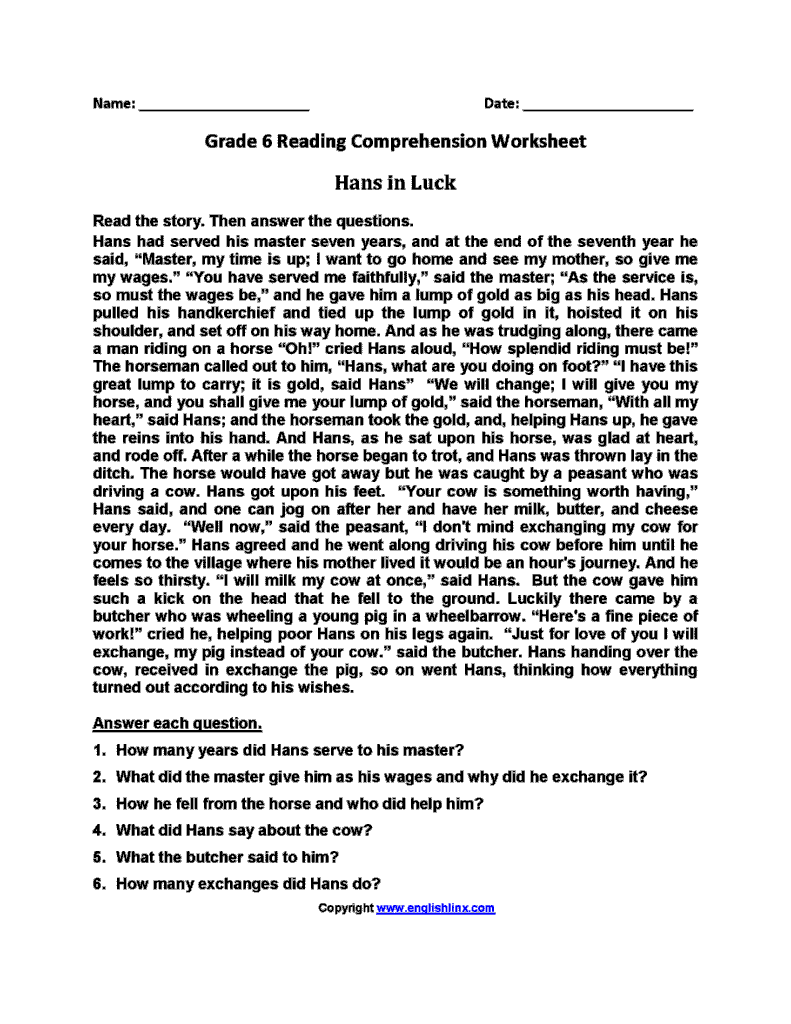
Sixth Grade Reading

6th Grade Reading Comprehension Test Have Fun Teaching