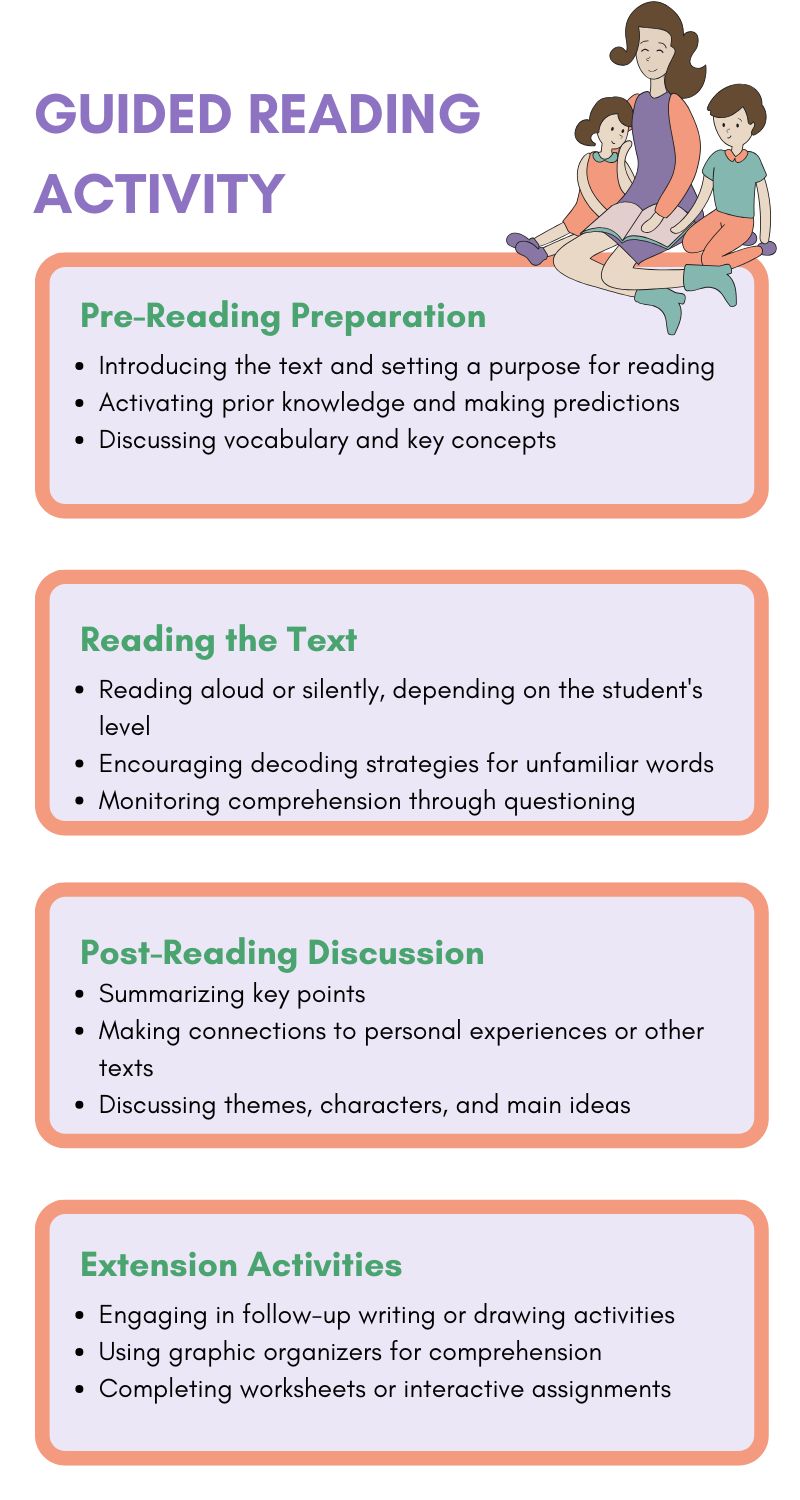
Guided reading is an essential component of literacy education, especially in Year 6, where students are transitioning to more complex texts. Follow-up activities play a crucial role in reinforcing comprehension and encouraging critical thinking. This article explores effective guided reading follow-up activities tailored for Year 6 students, enhancing their learning experience and engagement.
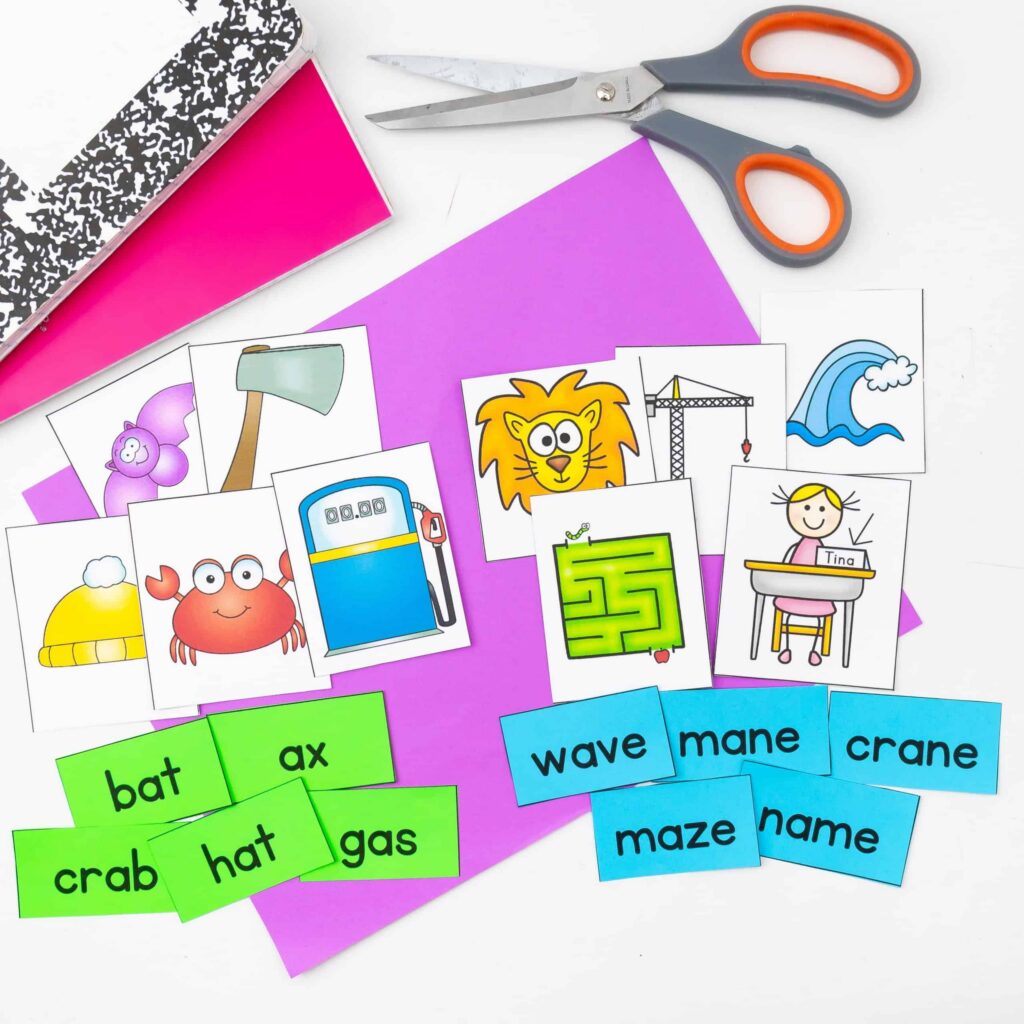
Guided Reading Follow Up Activities Year 6
Importance of Guided Reading Follow Up Activities
Follow-up activities after guided reading sessions are vital for solidifying students’ understanding of the text. They provide opportunities for students to reflect on what they have read, discuss their thoughts, and make connections to their own experiences. This reflection helps deepen comprehension and retention of the material.
Moreover, these activities can cater to diverse learning styles, allowing students to express their understanding creatively. By incorporating various formats such as discussions, written responses, and artistic projects, educators can engage all learners effectively.
Creative Follow Up Activities for Year 6
One engaging follow-up activity is the “Character Diary,” where students write diary entries from the perspective of a character in the text. This exercise encourages empathy and deeper analysis of character motivations and development. It also allows students to practice their writing skills in a fun and imaginative way.
Another effective activity is the “Book Trailer Project.” Students create a short video or presentation that summarizes the book’s plot, themes, and characters. This not only enhances their understanding but also develops their digital literacy skills as they learn to use various tools for presentation.
Assessing Understanding Through Follow Up Activities
Assessing student understanding through follow-up activities is crucial for guiding future instruction. Teachers can use rubrics to evaluate student work on creative projects or written responses, providing clear criteria for success. This assessment helps identify areas where students may need additional support or enrichment.
Additionally, incorporating peer feedback into follow-up activities fosters collaboration and communication skills. Students can share their work with classmates and provide constructive feedback, promoting a supportive learning environment while reinforcing their own understanding of the material.
Download Guided Reading Follow Up Activities Year 6
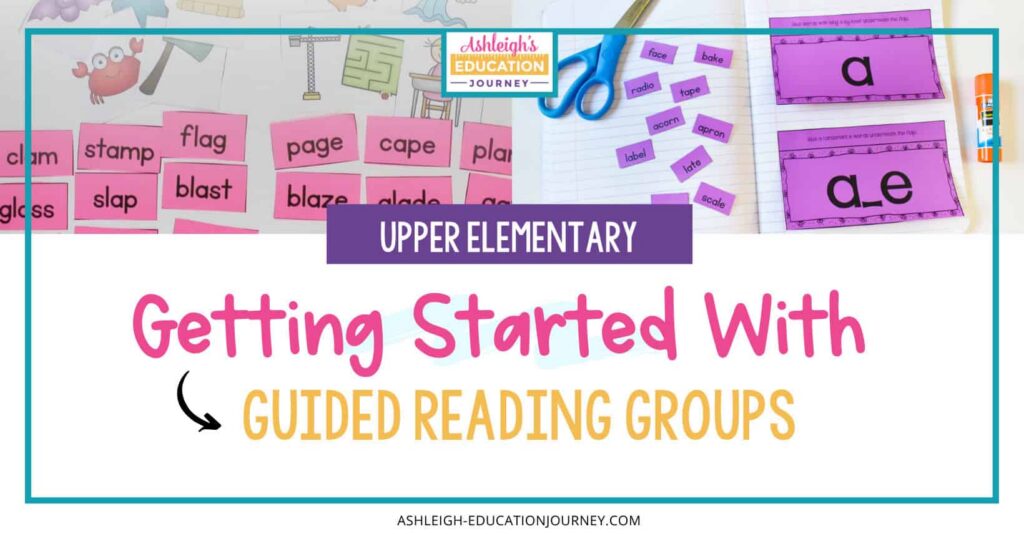
Guided Reading 2
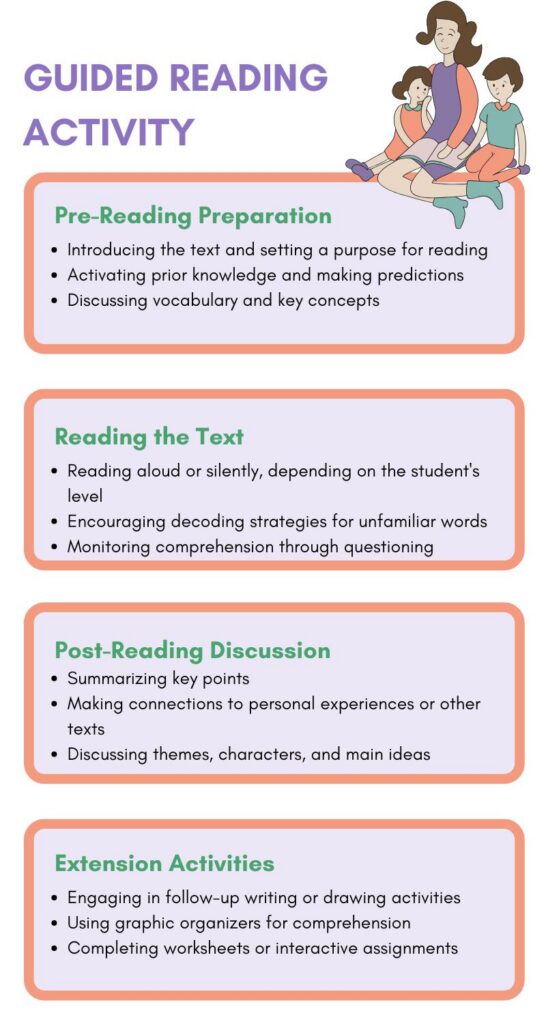
Guided Reading Activity Ideas