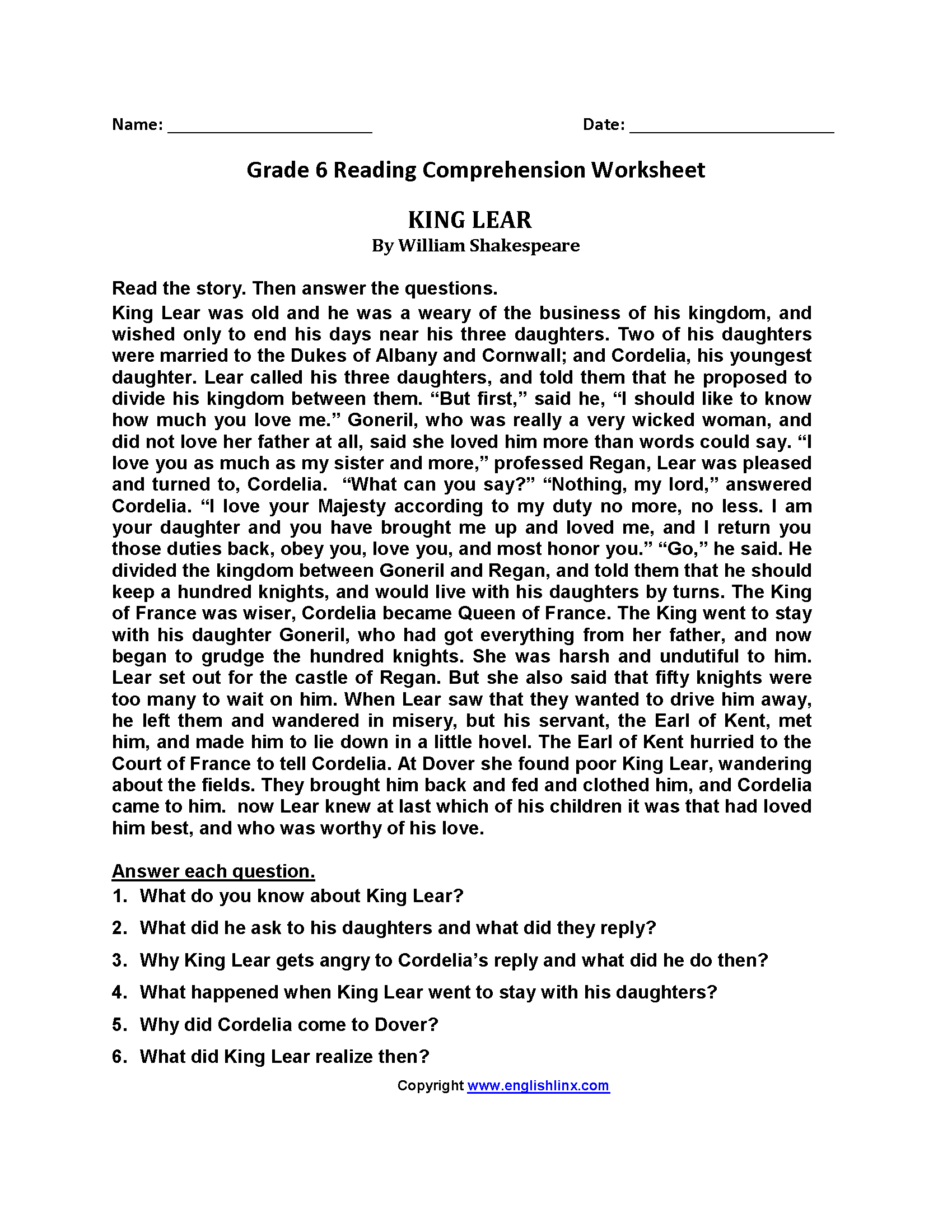
Comprehension tests are essential tools for assessing a student’s understanding of reading material. For Grade 6 students, these tests not only evaluate their reading skills but also their ability to analyze and interpret information. This article will explore the importance of comprehension tests for Grade 6, effective strategies for preparation, and tips for improving reading comprehension skills.
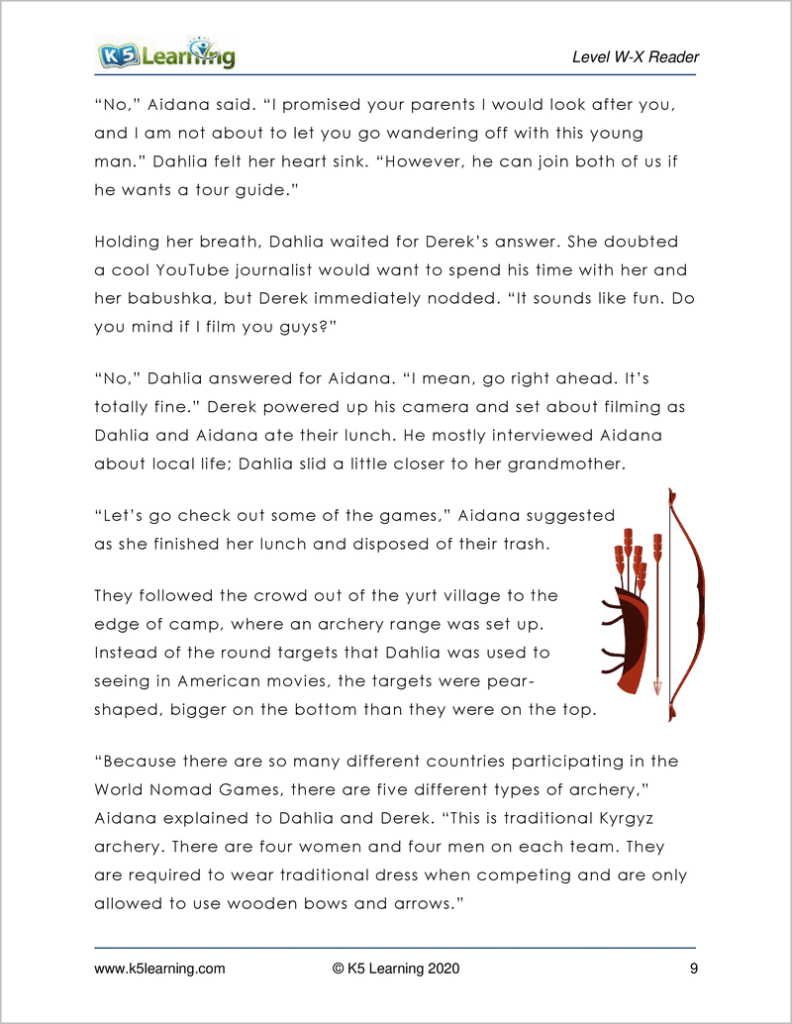
Comprehension Test Grade 6
Importance of Comprehension Tests in Grade 6
Comprehension tests play a crucial role in the educational development of Grade 6 students. They help teachers identify areas where students excel and where they may need additional support. By understanding their strengths and weaknesses, educators can tailor instruction to meet individual needs, ensuring that all students achieve their full potential.
Moreover, these tests prepare students for future academic challenges. As they transition to higher grades, the complexity of reading materials increases. Mastering comprehension skills in Grade 6 lays a solid foundation for success in subsequent years, fostering critical thinking and analytical abilities that are vital in both academic and real-world scenarios.
Effective Strategies for Preparation
Preparing for comprehension tests requires a strategic approach. One effective method is to engage students with diverse reading materials, including fiction, non-fiction, and poetry. This exposure helps them develop a broader understanding of different writing styles and themes, enhancing their ability to comprehend various texts.
Additionally, practicing with sample comprehension questions can significantly improve test performance. Students should focus on summarizing passages, identifying main ideas, and making inferences based on the text. Regular practice not only boosts confidence but also familiarizes them with the format and types of questions they may encounter on the actual test.
Tips for Improving Reading Comprehension Skills
To enhance reading comprehension skills, students should adopt active reading strategies. This includes annotating texts, highlighting key points, and asking questions while reading. Such techniques encourage deeper engagement with the material and promote better retention of information.
Furthermore, discussing readings with peers or family members can reinforce understanding. Engaging in conversations about the content allows students to articulate their thoughts and gain different perspectives, ultimately enriching their comprehension skills. By incorporating these practices into their routine, Grade 6 students can significantly improve their reading abilities and perform better on comprehension tests.
Download Comprehension Test Grade 6
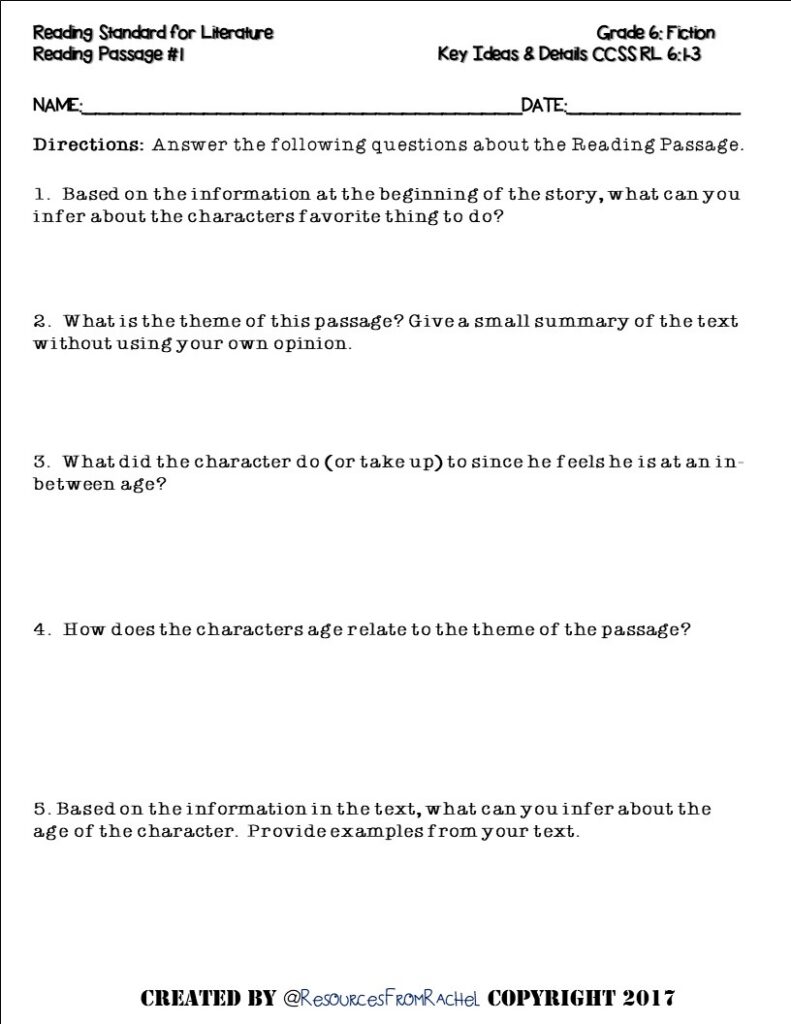
Reading Comprehension Assessment 6th Grade Volume 1
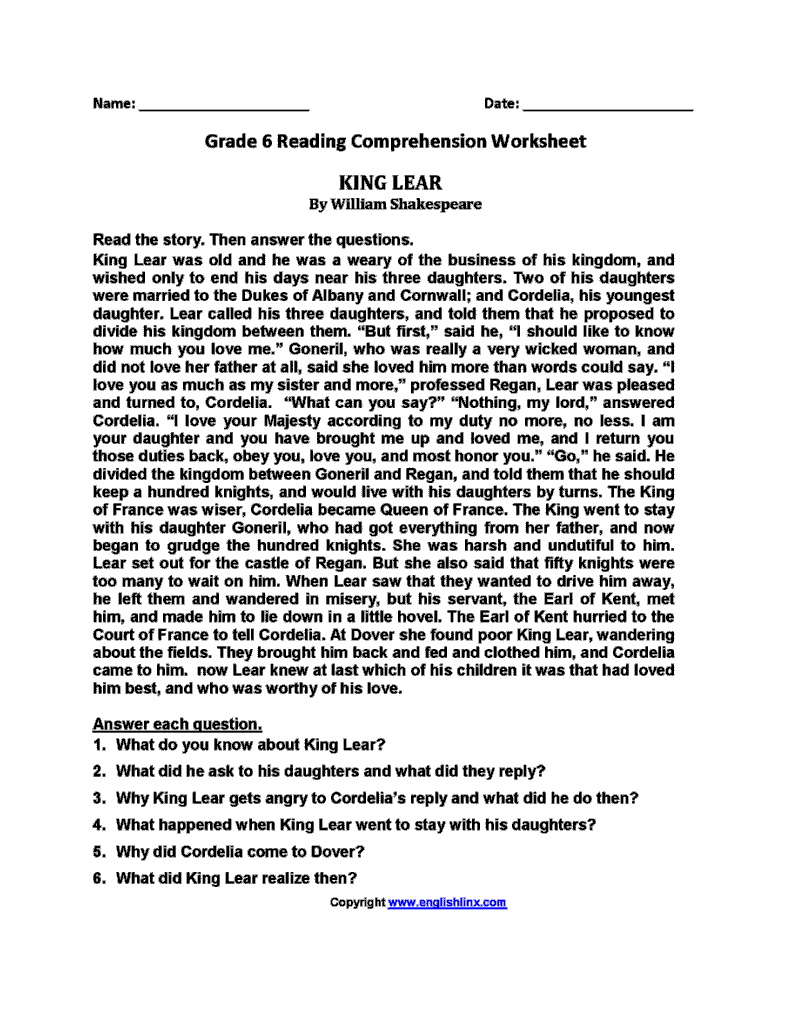
Sixth Grade Reading