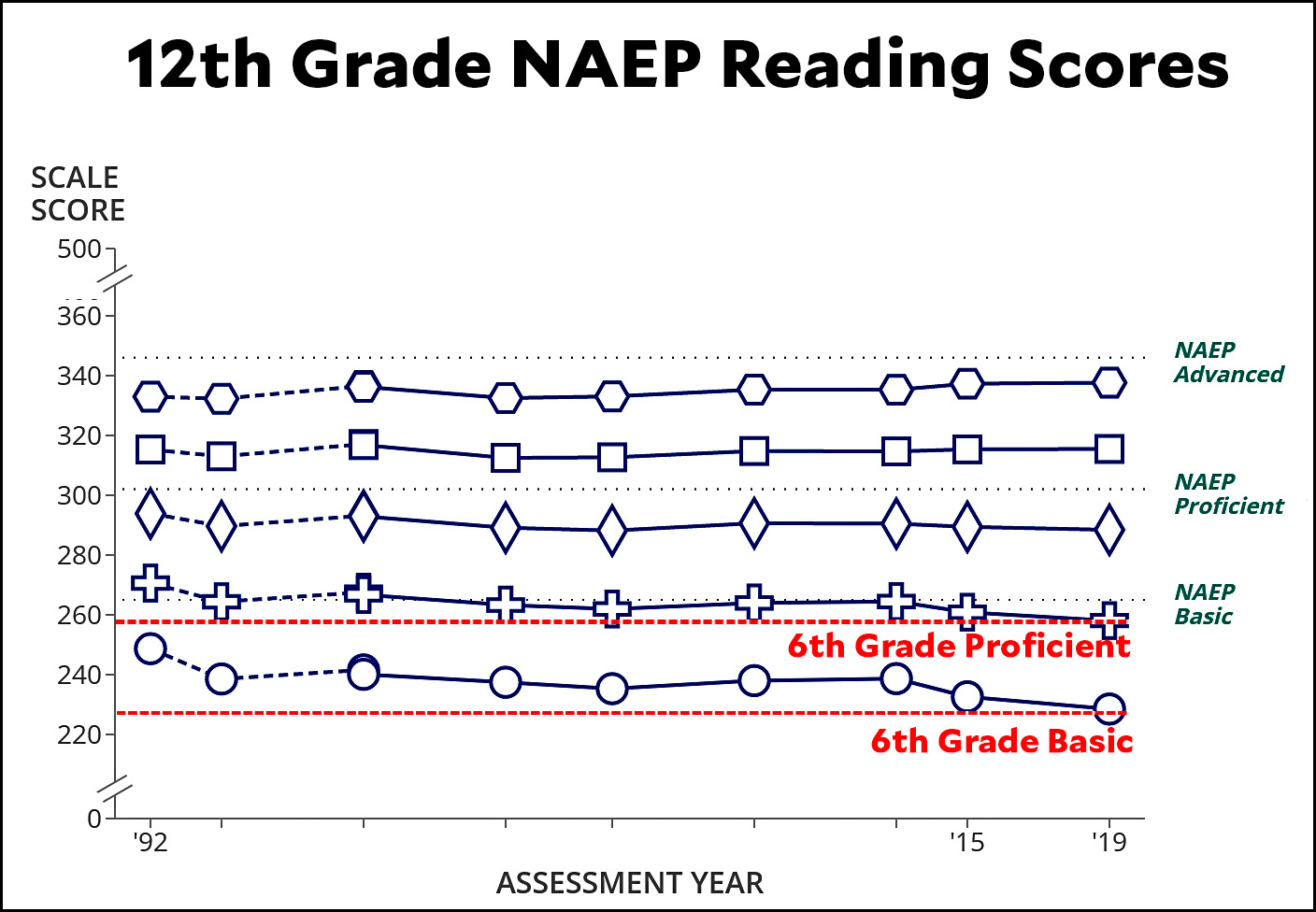
Effective communication in healthcare is crucial for ensuring that patients understand their conditions and treatment options. One approach that has gained traction is the assumption that patients have a 6th-grade reading level. This perspective helps healthcare providers tailor their communication strategies to meet the needs of a diverse patient population, ultimately improving health literacy and patient outcomes.

Assuming Patients Have 6Th Grade Reading Level
Understanding the 6th Grade Reading Level
The 6th-grade reading level is often considered a benchmark for clear communication. Many adults struggle with complex medical jargon and lengthy explanations. By simplifying language and concepts, healthcare providers can make information more accessible. This approach not only aids comprehension but also empowers patients to take an active role in their healthcare decisions.
Research indicates that when patients understand their health information, they are more likely to adhere to treatment plans and engage in preventive care. Therefore, assuming a 6th-grade reading level can bridge the gap between medical professionals and patients, fostering better relationships and improved health outcomes.
Strategies for Effective Communication
To communicate effectively with patients at a 6th-grade reading level, healthcare providers should utilize plain language. This includes avoiding technical terms, using short sentences, and incorporating visuals when possible. For instance, diagrams or infographics can help illustrate complex concepts in a straightforward manner.
Additionally, asking open-ended questions can encourage patients to express their understanding and clarify any confusion. Providers should also be patient and willing to repeat information as needed, ensuring that patients feel comfortable seeking clarification on any points they do not understand.
Benefits of Simplified Communication
Adopting a communication style that assumes a 6th-grade reading level offers numerous benefits. Firstly, it enhances patient engagement by making them feel more informed and involved in their care. When patients comprehend their health information, they are more likely to follow through with recommendations and participate in discussions about their treatment options.
Moreover, simplified communication can reduce the likelihood of misunderstandings that may lead to adverse health outcomes. By ensuring that all patients, regardless of their literacy levels, receive clear and concise information, healthcare providers can contribute to a healthier population overall.
Download Assuming Patients Have 6Th Grade Reading Level

More Than Half American Adults Read Below Sixth Grade Level
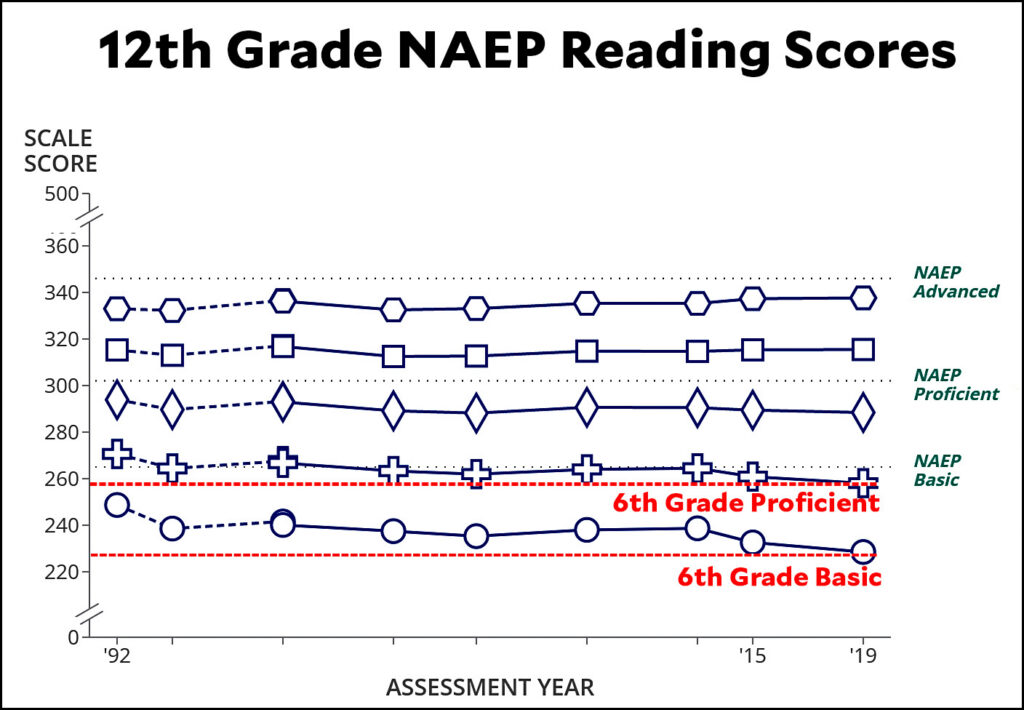
Two Thirds Of American Adults Read Above A 6th Grade Level