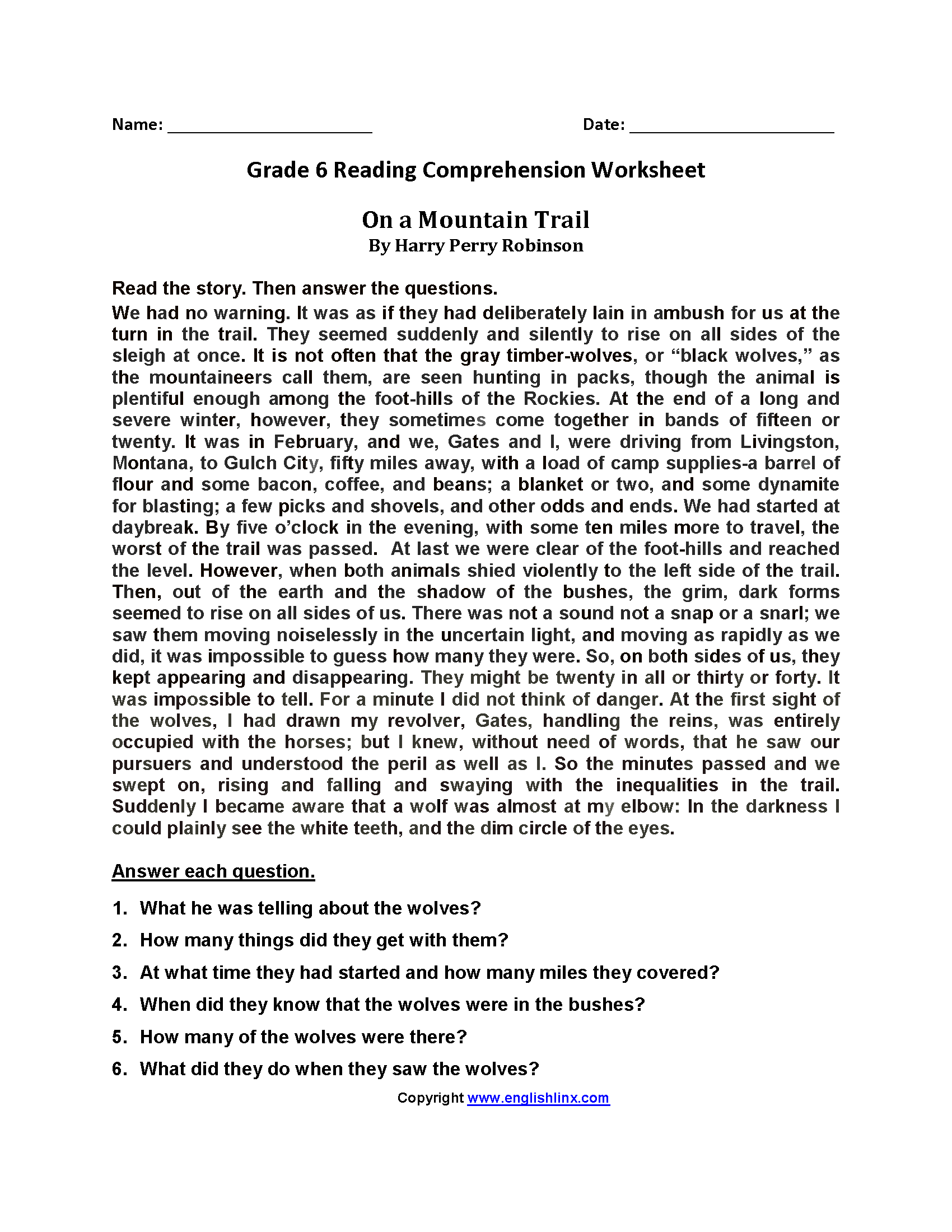
Reading comprehension is a crucial skill for 6th graders as they transition into more complex texts and concepts. This stage of learning analysis focuses on enhancing students’ ability to understand, interpret, and engage with various reading materials. By developing these skills, educators can better prepare students for future academic challenges.
6Th Grade Reading Comprehension In Learning Analysis
Importance of 6th Grade Reading Comprehension
At the 6th-grade level, reading comprehension becomes increasingly important as students encounter diverse genres and themes. Strong comprehension skills enable students to grasp main ideas, identify supporting details, and make inferences. This foundational knowledge is essential for success in higher grades where critical thinking is emphasized.
Furthermore, effective reading comprehension strategies can boost students’ confidence and motivation. When learners can understand what they read, they are more likely to engage with texts and participate in discussions. This engagement fosters a love for reading that can last a lifetime.
Strategies for Enhancing Reading Comprehension
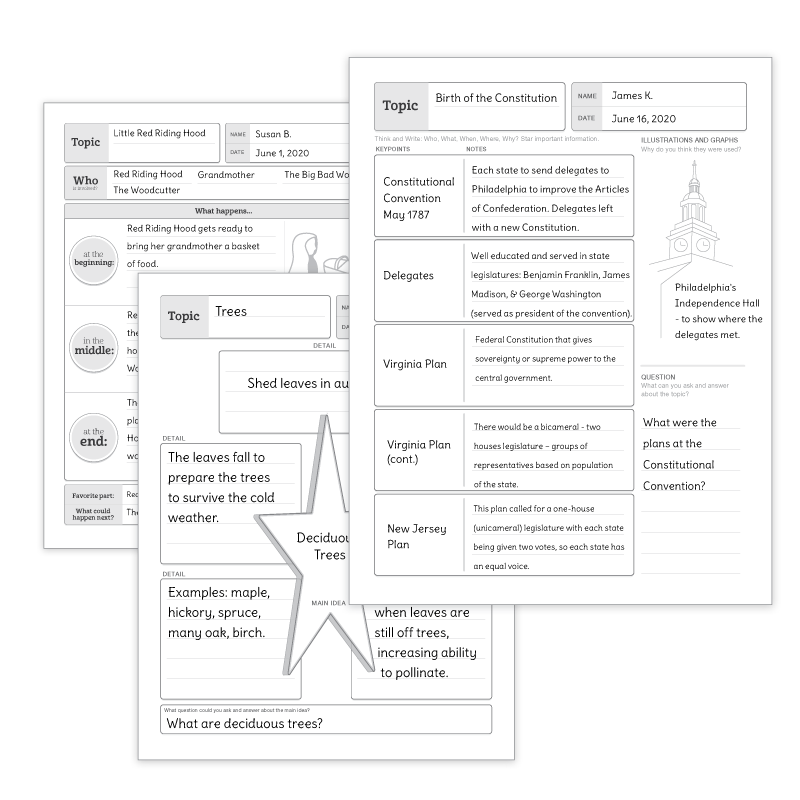
To improve 6th-grade reading comprehension, educators can implement various strategies tailored to their students’ needs. One effective method is the use of graphic organizers, which help students visualize relationships between ideas and concepts. These tools can aid in summarizing information and enhancing retention.
Another strategy involves encouraging active reading techniques such as annotating texts or asking questions while reading. These practices promote deeper engagement with the material and help students develop critical thinking skills necessary for analyzing complex texts.
Assessing Reading Comprehension Progress
Regular assessment of reading comprehension is vital for tracking student progress and identifying areas for improvement. Teachers can utilize a mix of formative assessments, such as quizzes and discussions, alongside summative assessments like standardized tests to gauge understanding effectively.
Additionally, providing feedback on comprehension skills allows students to reflect on their learning journey. By setting specific goals based on assessment results, educators can create personalized learning plans that cater to individual student needs, ensuring continuous growth in reading comprehension.
Download 6Th Grade Reading Comprehension In Learning Analysis
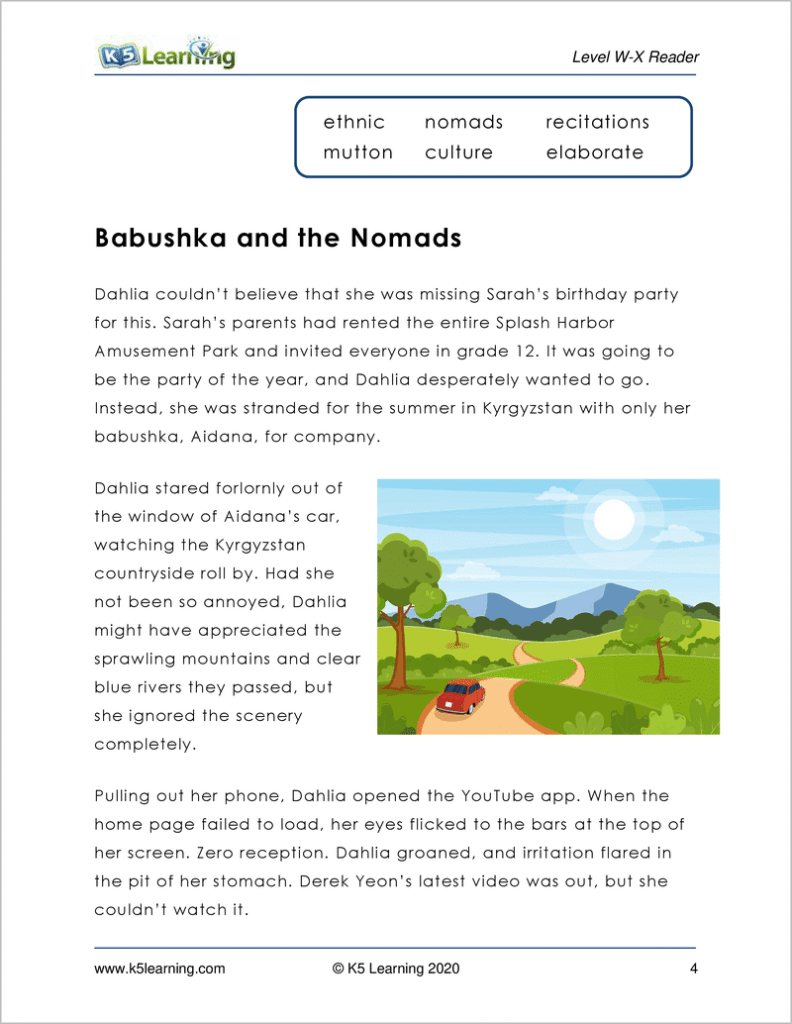
Reading Comprehension Levels W And X
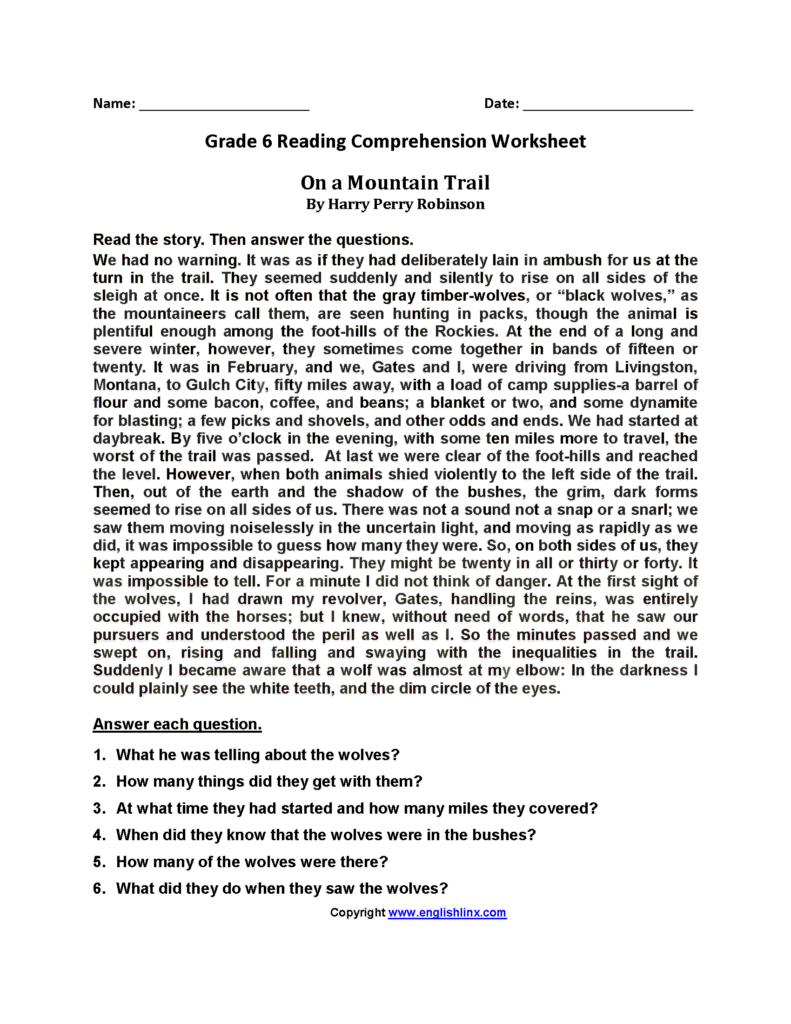
Sixth Grade Reading