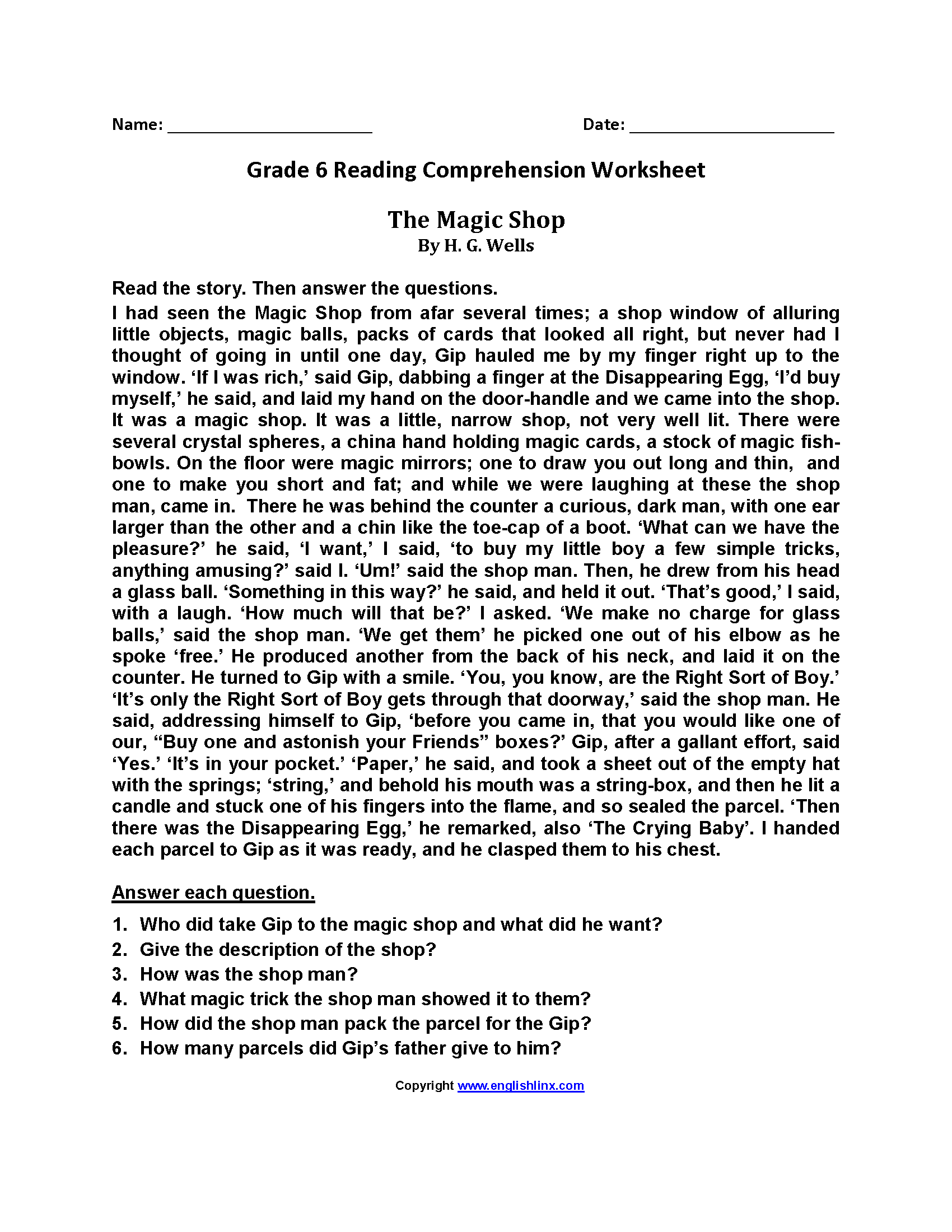
Fiction reading comprehension is a crucial skill for sixth graders as they transition into more complex texts. At this grade level, students are expected to analyze characters, plot, and themes in various fictional works. This article will explore effective strategies to enhance fiction reading comprehension for grade 6 students, ensuring they develop a deeper understanding and appreciation of literature.
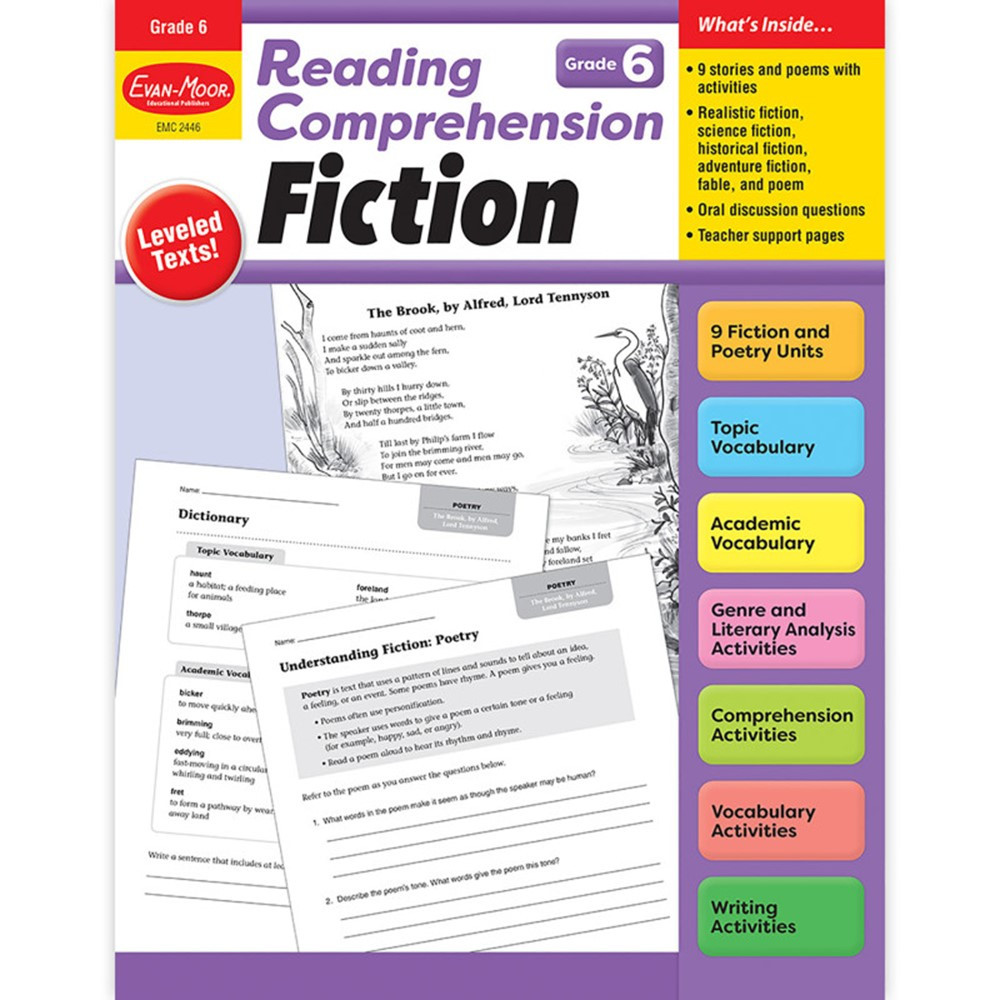
Fiction Reading Comprehension Grade 6
Understanding Fiction Texts
Fiction texts often contain elements such as character development, setting, and conflict that are essential for comprehension. Grade 6 students should focus on identifying these elements to better understand the story’s structure. Engaging with the text through discussions and reflections can also help students grasp the underlying messages and themes.
Teachers can encourage students to summarize chapters or sections of a story, which reinforces their understanding. Additionally, using graphic organizers can aid in visualizing relationships between characters and events, making it easier for students to recall important details during assessments.
Strategies for Improving Comprehension
To improve fiction reading comprehension, students can employ various strategies such as predicting outcomes, questioning the text, and making connections to their own experiences. Predicting what might happen next in a story encourages active engagement and critical thinking. Students should be encouraged to ask questions about the plot and characters to deepen their understanding.
Another effective strategy is making personal connections with the text. When students relate their own experiences to the characters or situations in a story, they are more likely to remember key details and themes. Teachers can facilitate this by prompting discussions that allow students to share their thoughts and insights.
Assessment Techniques for Fiction Comprehension
Assessing fiction reading comprehension in grade 6 can be done through various methods such as quizzes, essays, and group discussions. Quizzes can test specific knowledge of characters and plot points, while essays allow students to express their interpretations and analyses of themes. Group discussions foster collaborative learning and enable students to articulate their understanding.
Additionally, creative assessments like book trailers or character diaries can engage students more actively. These projects encourage them to think critically about the text while allowing for creativity in demonstrating their comprehension skills. By using diverse assessment techniques, educators can better gauge student understanding and promote a love for reading.
Download Fiction Reading Comprehension Grade 6
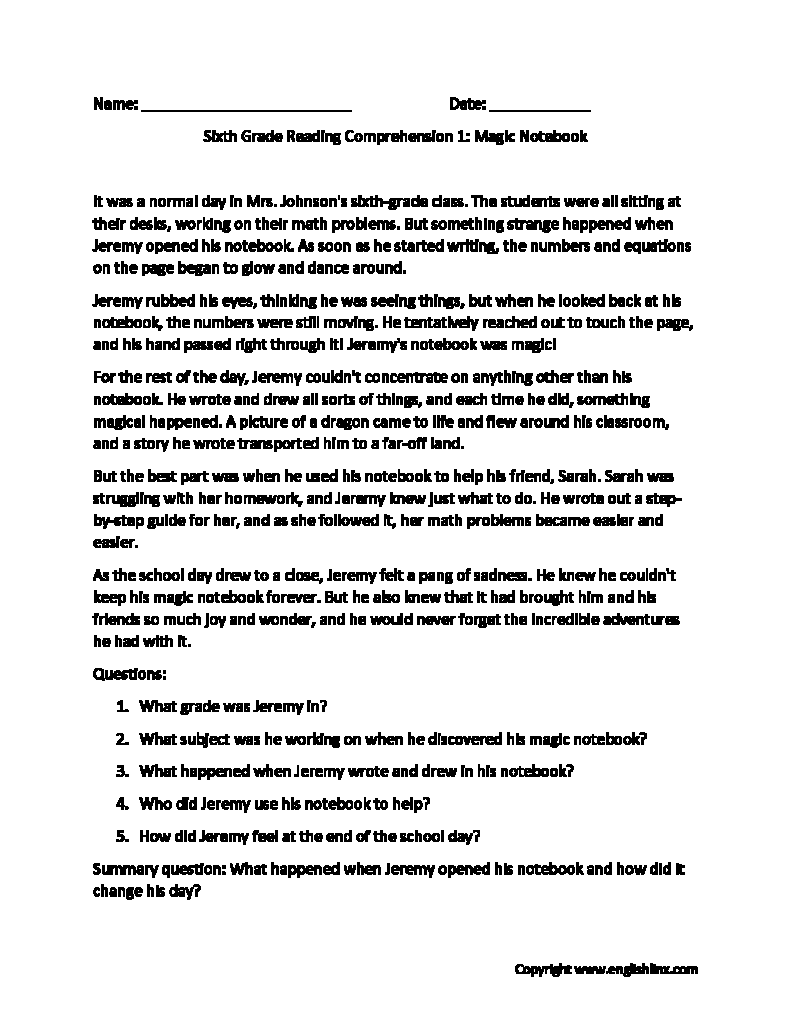
Sixth Grade Reading
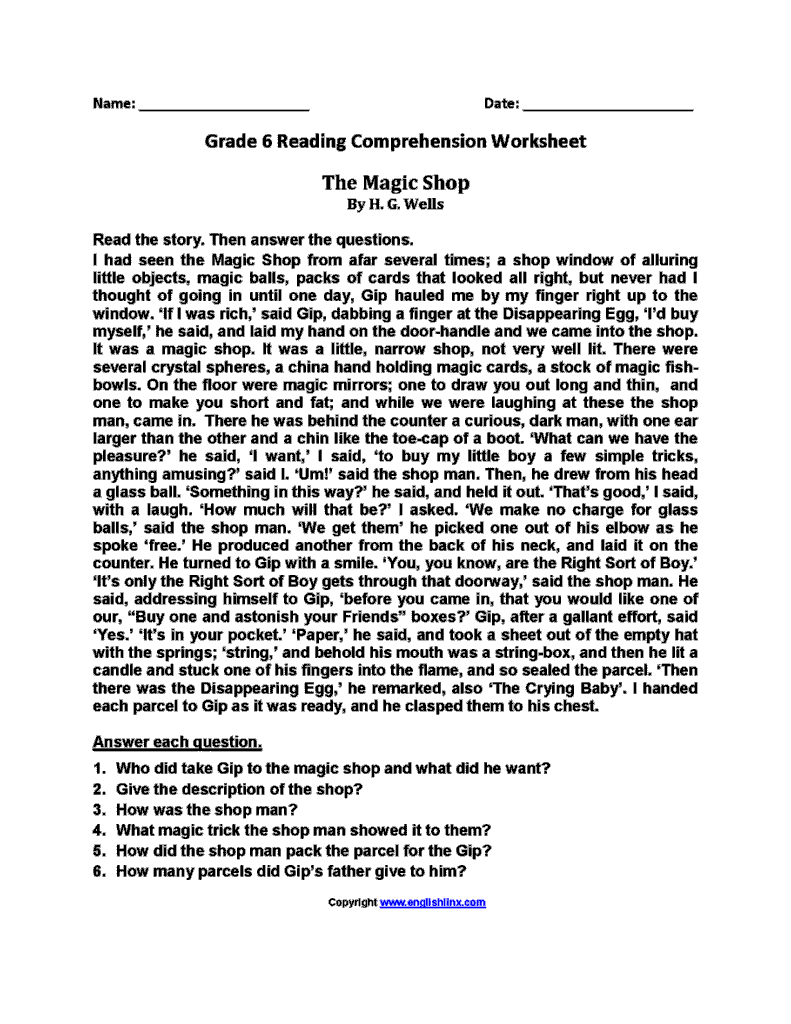
Sixth Grade Reading