Year 6 Guided Reading Assessment is a crucial component of evaluating students’ reading comprehension and analytical skills. This assessment helps educators identify strengths and areas for improvement in their students’ reading abilities. By focusing on various texts, students can enhance their understanding and develop critical thinking skills essential for their academic journey.
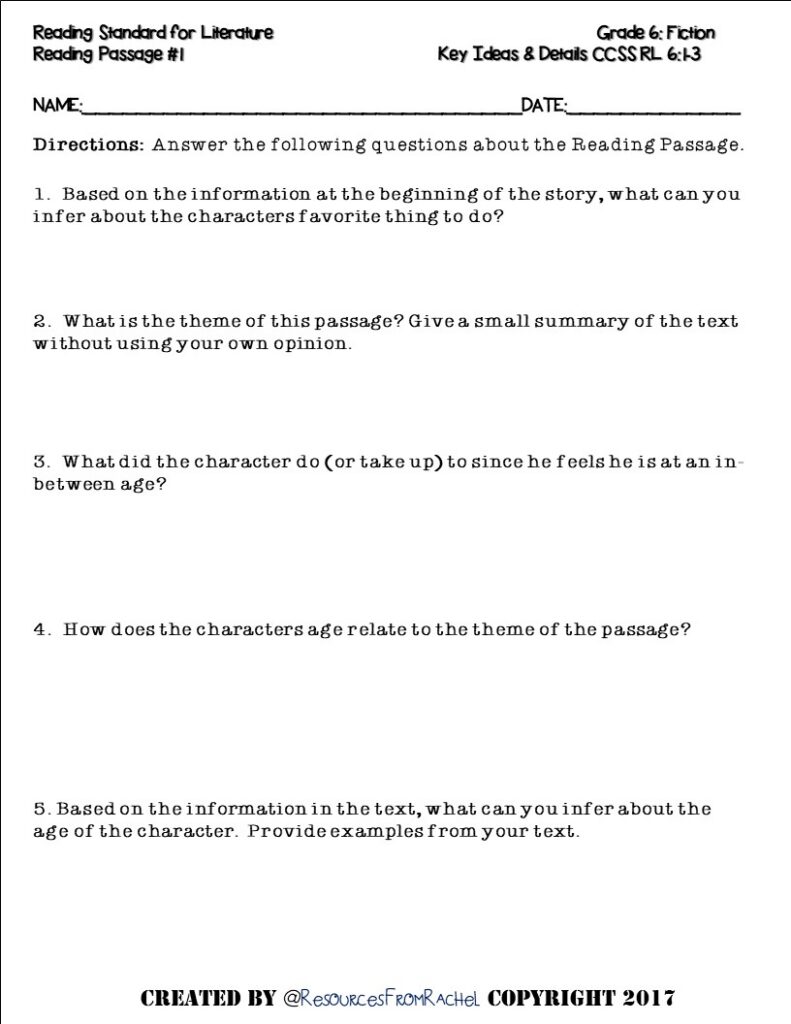
Year 6 Guided Reading Assessment
Importance of Year 6 Guided Reading Assessment
The Year 6 Guided Reading Assessment plays a vital role in preparing students for secondary education. It not only assesses their reading skills but also encourages them to engage with diverse texts, fostering a love for reading. This assessment provides teachers with valuable insights into each student’s reading level, enabling tailored instruction that meets individual needs.
Moreover, the assessment helps in tracking progress over time. By comparing results from previous years, educators can determine if students are on the right path to achieving literacy goals. This ongoing evaluation supports targeted interventions, ensuring that no student falls behind in their reading development.
Components of the Year 6 Guided Reading Assessment
The Year 6 Guided Reading Assessment typically includes a variety of components designed to evaluate different aspects of reading comprehension. These components may consist of multiple-choice questions, short answer responses, and discussions about the text. Each element aims to assess not only the students’ understanding but also their ability to analyze and interpret information.
Additionally, the assessment often incorporates a range of genres and text types, allowing students to demonstrate their versatility as readers. By engaging with fiction, non-fiction, poetry, and other formats, students can showcase their comprehension skills across different contexts, which is essential for their overall literacy development.
Preparing for the Year 6 Guided Reading Assessment
Preparation for the Year 6 Guided Reading Assessment involves both practice and exposure to various texts. Teachers can facilitate this by incorporating guided reading sessions into their curriculum, where students read in small groups and discuss texts collaboratively. This approach not only builds confidence but also enhances comprehension through peer interaction.
Furthermore, parents can support their children at home by encouraging regular reading habits and discussing books together. Engaging with the material outside of school reinforces learning and helps students feel more prepared for the assessment. By creating a supportive reading environment, both teachers and parents can significantly contribute to a student’s success in the Year 6 Guided Reading Assessment.
Download Year 6 Guided Reading Assessment
404223 Eb Assessment Prep For Common Core Reading Resource Book Grade 6 Ebook 404223 Eb
Reading Comprehension Grade 6