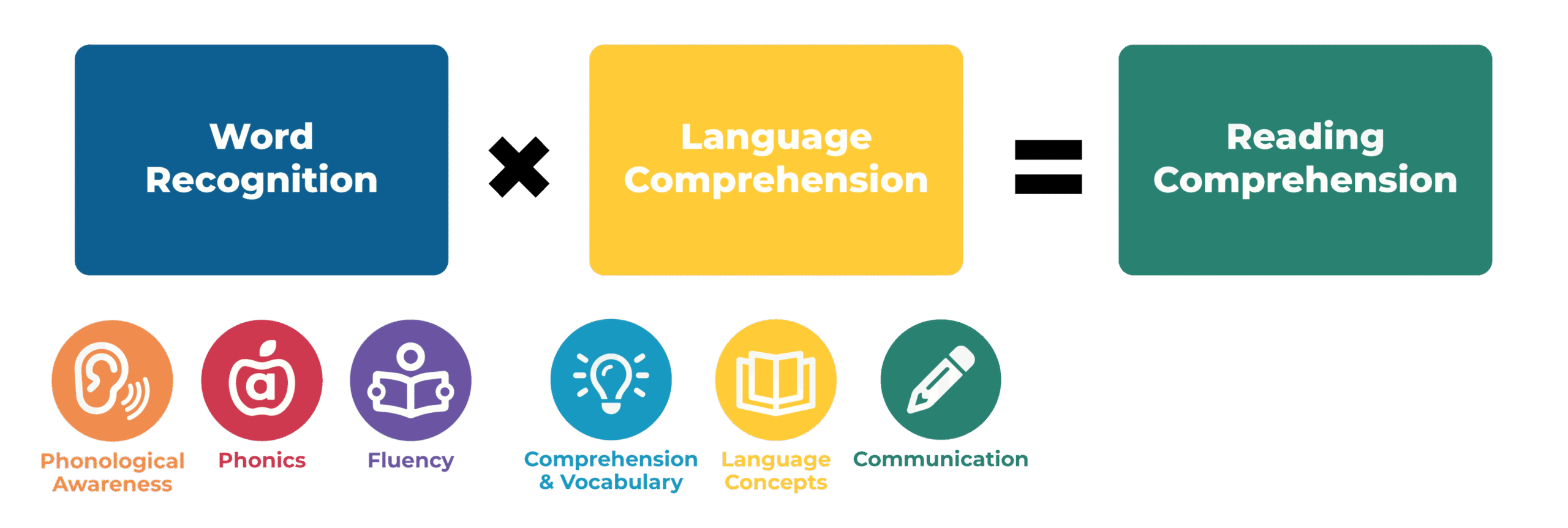
Understanding how individuals learn is crucial for enhancing reading comprehension skills. Learning theories provide frameworks that educators can use to develop effective teaching strategies tailored to diverse learners. This article explores various learning theories that can significantly impact reading comprehension, offering insights into how they can be applied in educational settings.
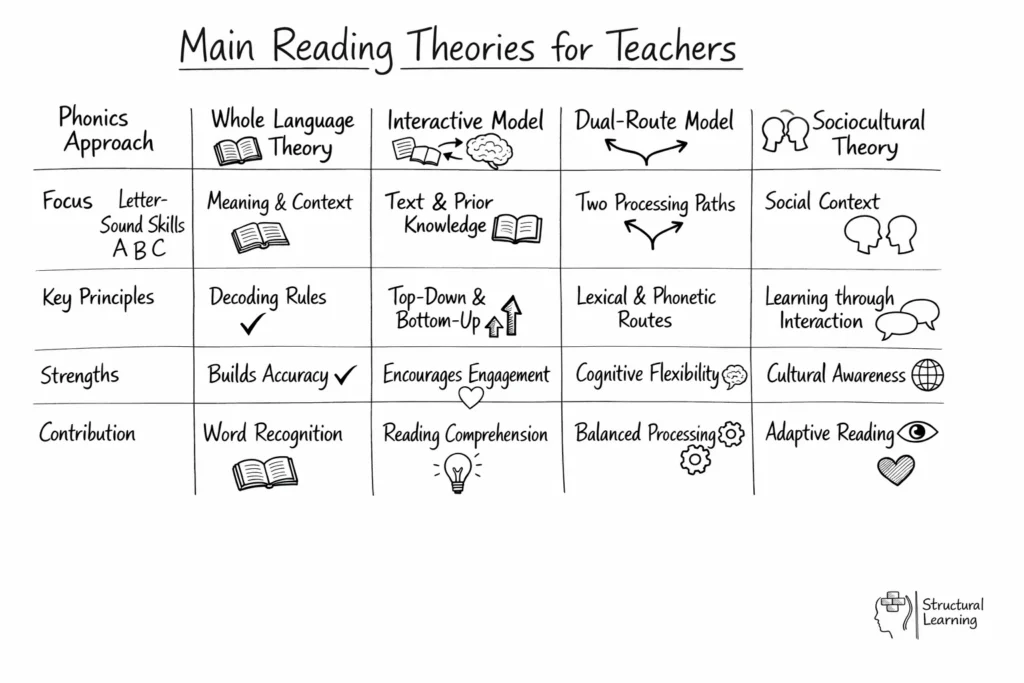
Learning Theory For Reading Comprehension
Cognitive Learning Theory
Cognitive learning theory emphasizes the role of mental processes in understanding and retaining information. It suggests that learners actively process information rather than passively absorbing it. In the context of reading comprehension, this theory highlights the importance of strategies such as summarization, questioning, and visualization to enhance understanding.
By applying cognitive learning strategies, educators can help students develop critical thinking skills necessary for analyzing texts. Techniques like graphic organizers and think-alouds encourage students to engage with the material actively, leading to improved comprehension and retention of information.
Constructivist Learning Theory
Constructivist learning theory posits that learners construct their understanding and knowledge through experiences and reflections. This approach encourages students to connect new information with prior knowledge, making reading more meaningful. In reading comprehension, this theory supports the use of collaborative learning and discussions to deepen understanding.
Educators can implement constructivist strategies by facilitating group activities where students share interpretations of texts. This collaborative environment fosters critical dialogue, allowing students to explore different perspectives and enhance their comprehension skills through social interaction.
Behaviorist Learning Theory
Behaviorist learning theory focuses on observable behaviors and the responses to external stimuli. In reading comprehension, this theory can be applied through reinforcement techniques that encourage positive reading habits. For instance, providing rewards for completing reading assignments can motivate students to engage more with texts.
Additionally, behaviorist approaches can include structured practice sessions where students repeatedly engage with reading materials. This repetition helps solidify comprehension skills and builds confidence in their reading abilities, ultimately leading to improved academic performance.
Download Learning Theory For Reading Comprehension
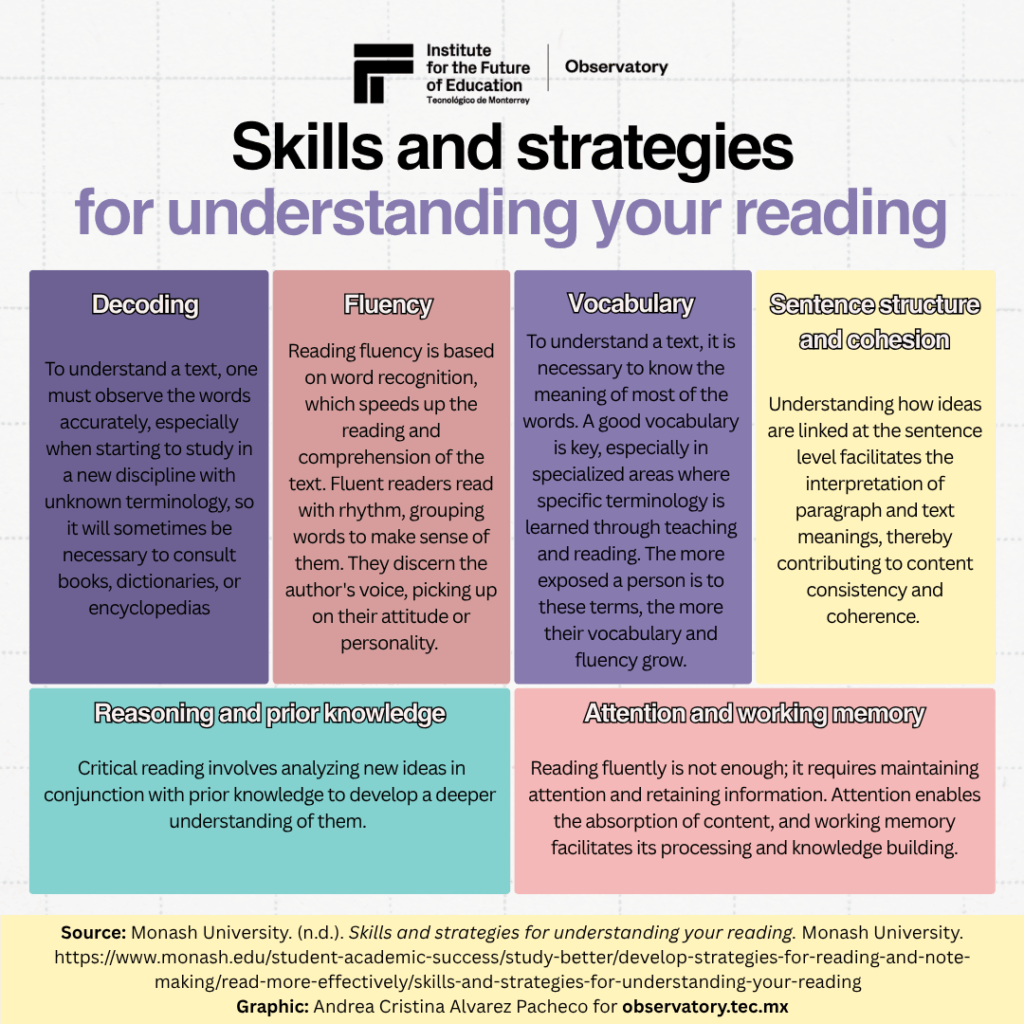
How To Improve Reading Comprehension
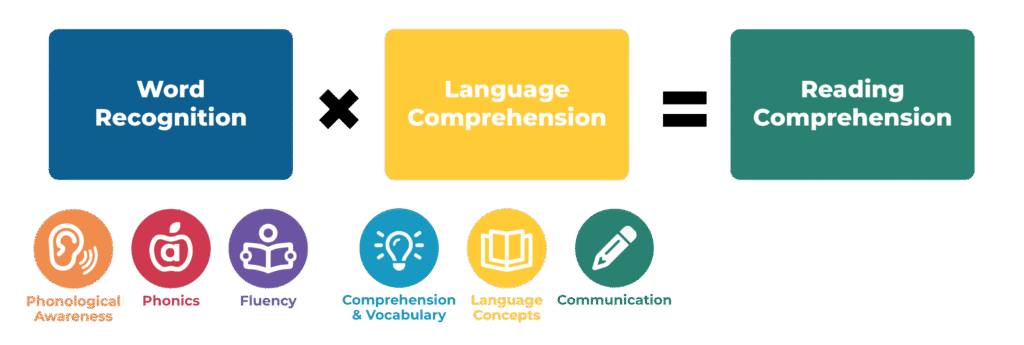
Simple View Of Reading