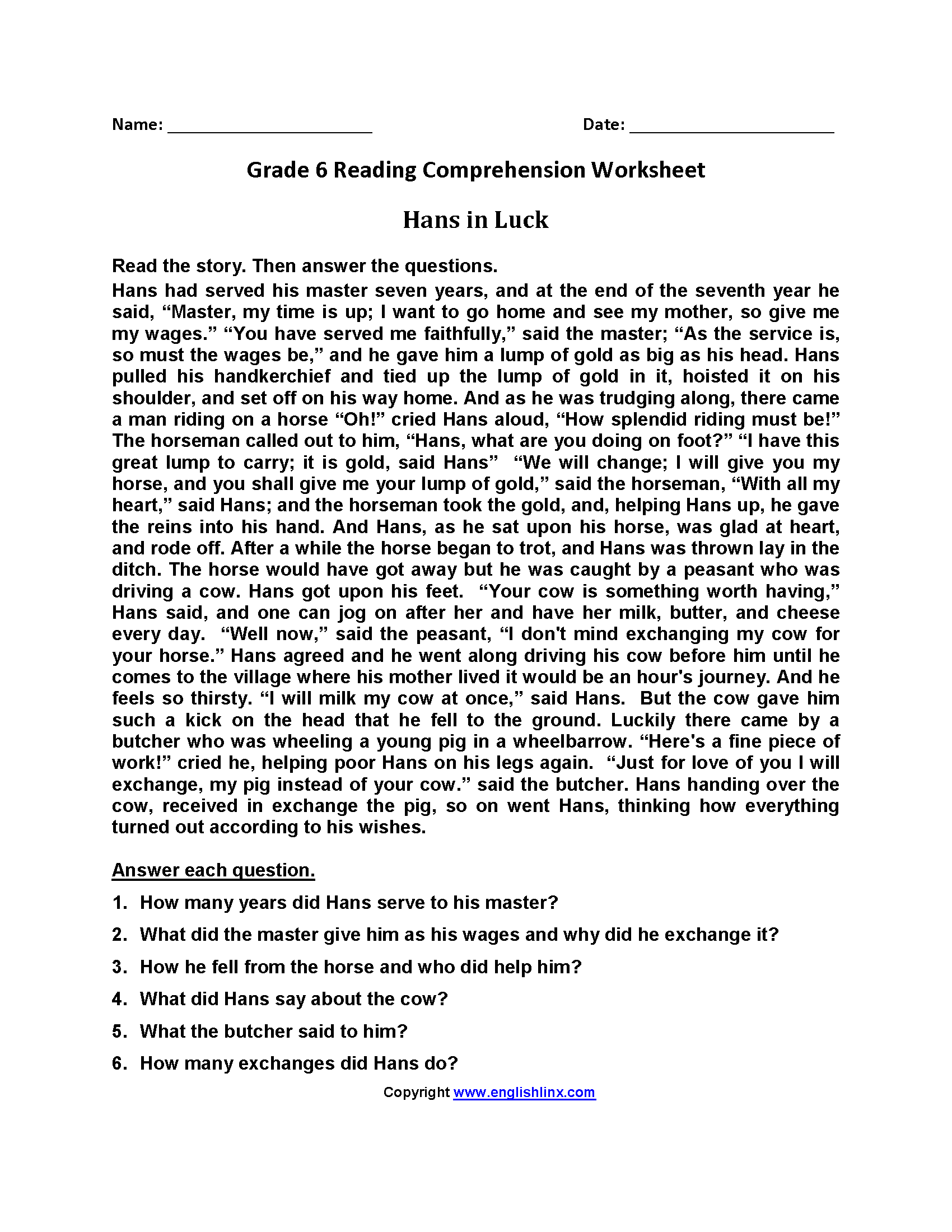
Reading comprehension is a critical skill for sixth graders as they transition into more complex texts and ideas. At this stage, students are expected to analyze, interpret, and engage with various types of literature and informational texts. Developing strong reading comprehension skills not only enhances academic performance but also fosters a lifelong love for reading.

Reading Comprehension Sixth Grade
Understanding Reading Comprehension
Reading comprehension involves the ability to understand, interpret, and respond to written material. For sixth graders, this means moving beyond basic understanding to analyzing themes, characters, and the author’s purpose. Students should be encouraged to ask questions about the text and make connections to their own experiences.
Effective reading comprehension strategies include summarizing passages, identifying main ideas, and making inferences. Teachers can support these skills by providing diverse reading materials that challenge students and stimulate critical thinking. Engaging discussions about the texts can further enhance understanding and retention.
Strategies to Improve Comprehension Skills
To boost reading comprehension in sixth grade, educators and parents can implement various strategies. One effective method is the use of graphic organizers, which help students visually map out information and relationships within the text. This can aid in understanding complex narratives or informational content.
Another strategy is encouraging regular reading practice. Setting aside time for independent reading allows students to explore different genres and styles at their own pace. Additionally, discussing books with peers or family members can deepen understanding and make reading a more interactive experience.
Assessing Reading Comprehension
Assessing reading comprehension is essential for identifying areas where students may need additional support. Teachers can use a variety of assessment tools such as quizzes, discussions, and written responses to gauge understanding. These assessments should focus on key elements like summarization, inference-making, and thematic analysis.
Regular feedback on assessments helps students recognize their strengths and areas for improvement. By fostering a growth mindset, educators can encourage sixth graders to view challenges in reading comprehension as opportunities for development rather than obstacles.
Download Reading Comprehension Sixth Grade
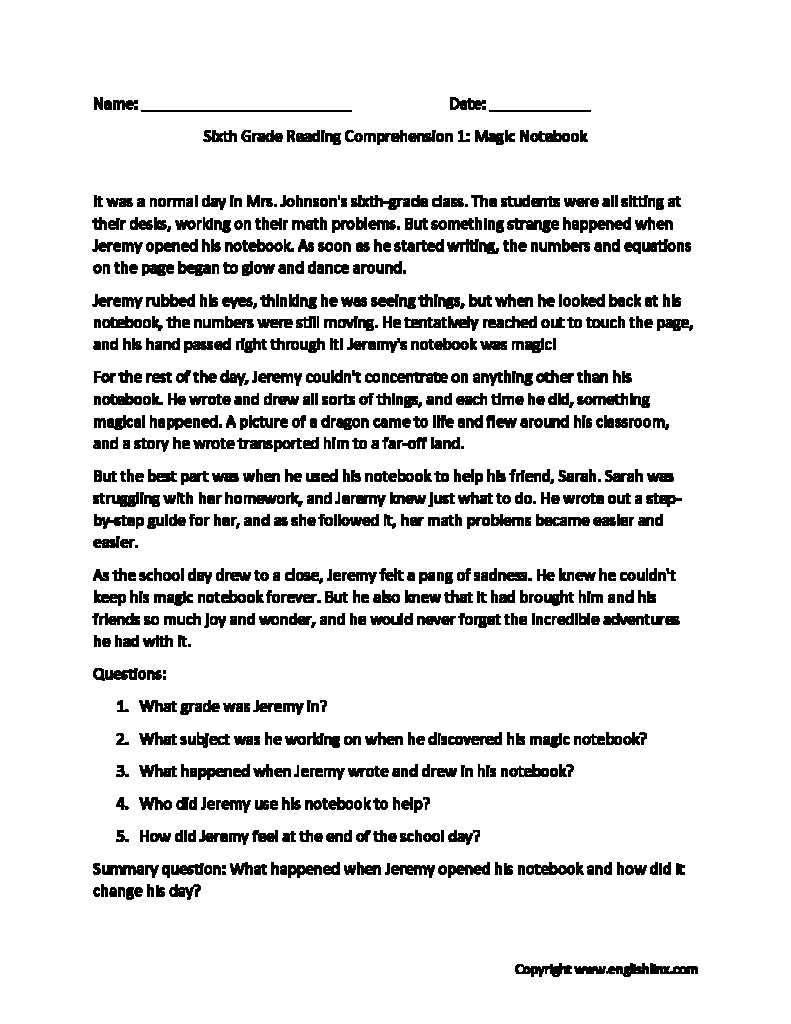
Sixth Grade Reading
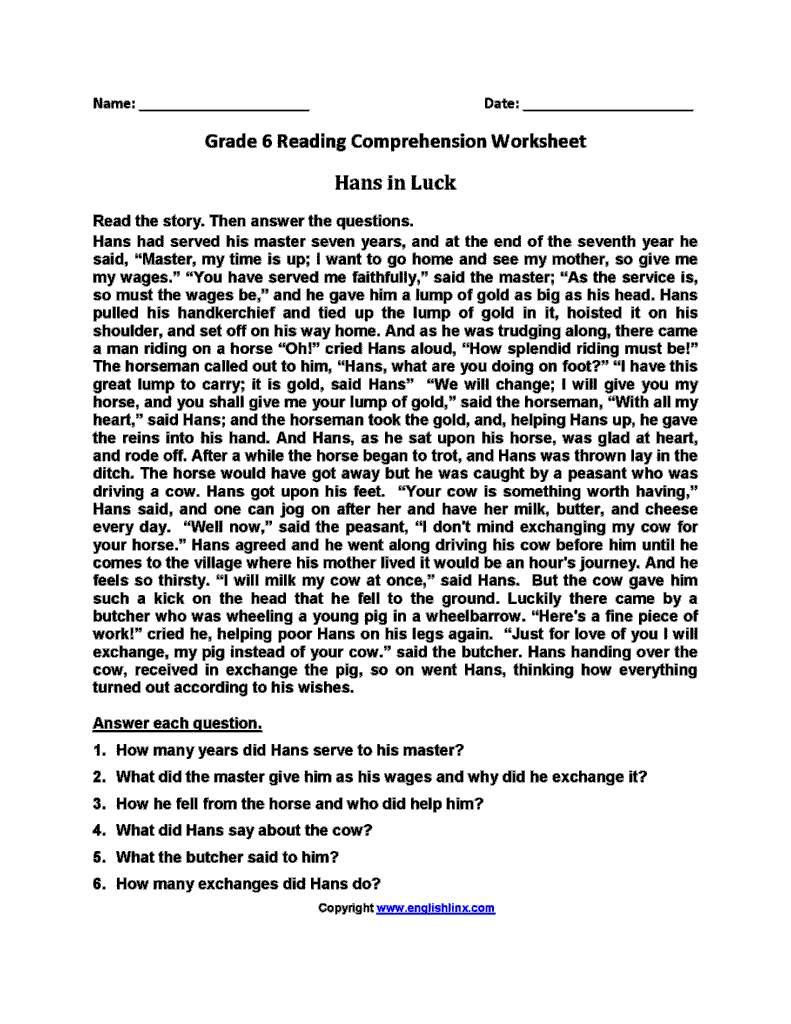
Sixth Grade Reading