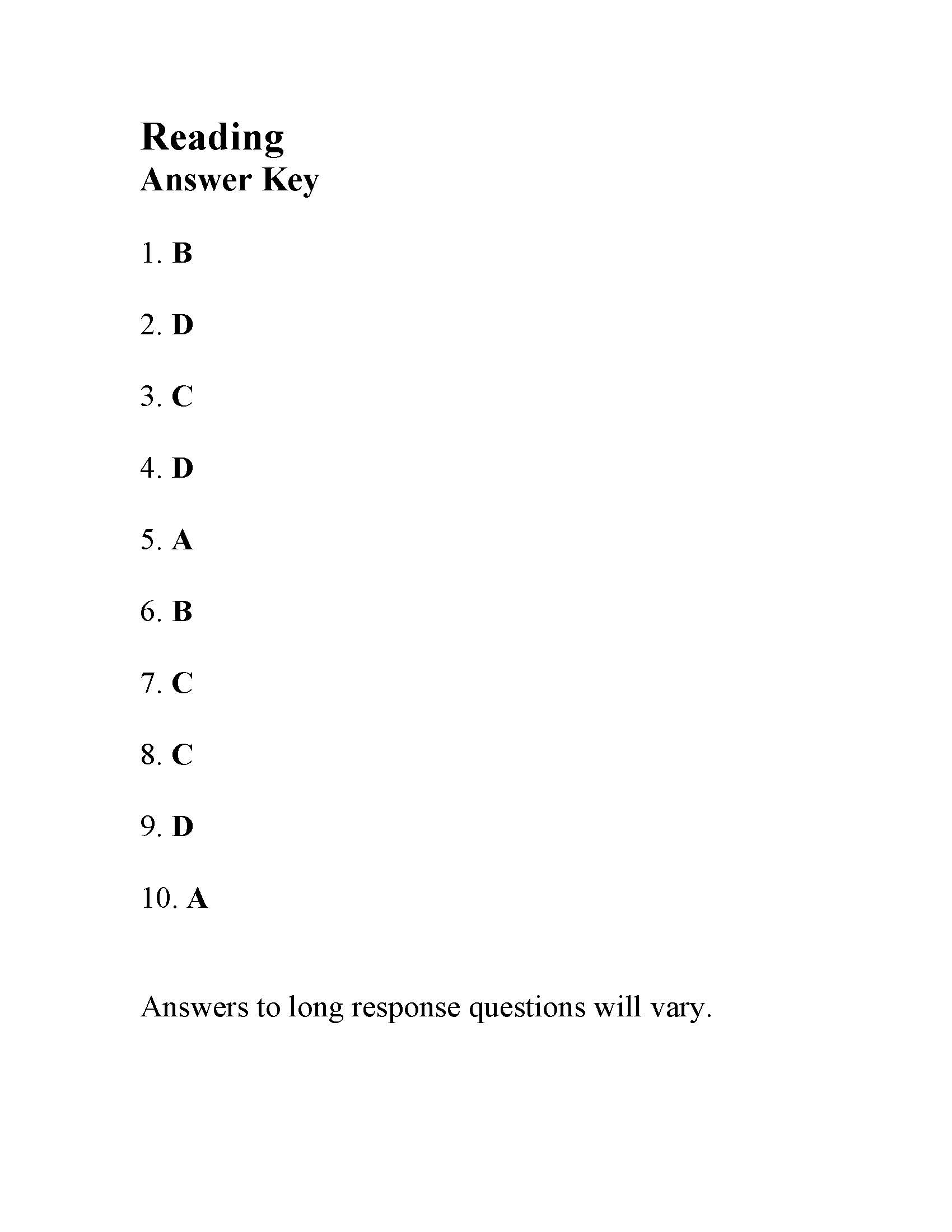
Nonfiction reading comprehension is a crucial skill for sixth graders as it lays the foundation for critical thinking and analytical abilities. As students encounter various texts, they must develop strategies to understand and interpret information effectively. This article will explore the importance of nonfiction reading comprehension for grade 6 students and provide insights into utilizing answer keys to enhance learning.
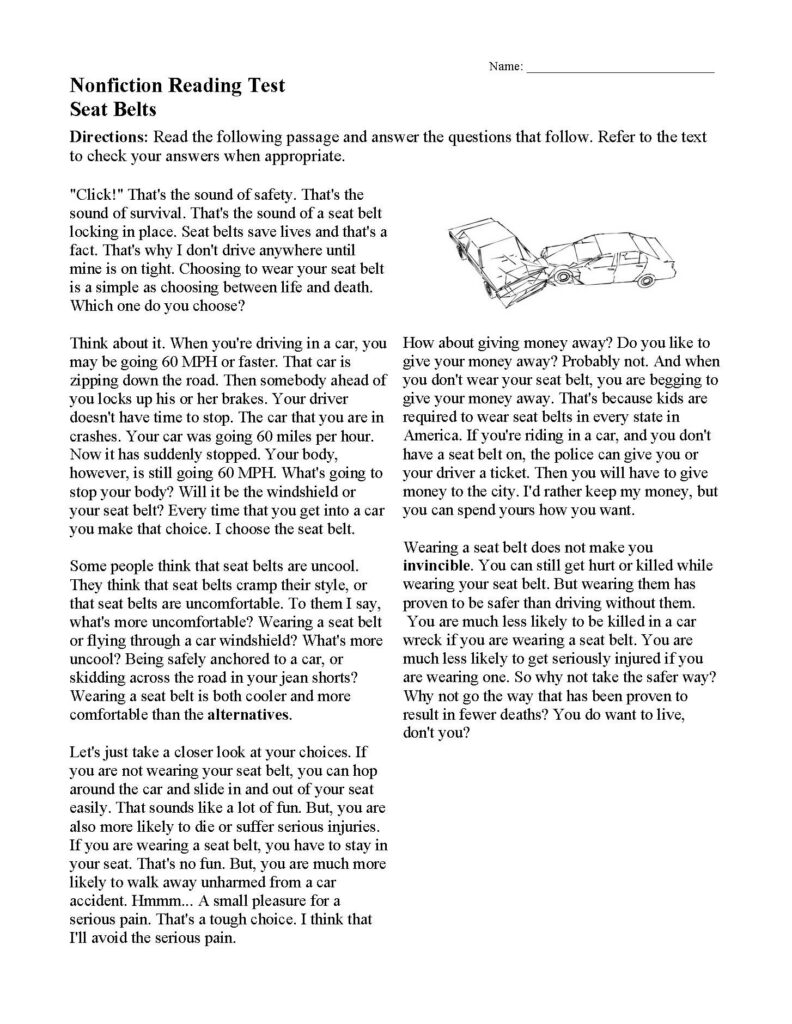
Nonfiction Reading Comprehension Grade 6 Answer Key
Understanding Nonfiction Reading Comprehension
Nonfiction reading comprehension involves the ability to understand, analyze, and evaluate factual texts. For grade 6 students, this skill is essential as they transition from elementary to middle school, where they encounter more complex materials. Mastering nonfiction comprehension helps students grasp concepts across subjects such as science, history, and social studies.
To improve nonfiction reading skills, educators often use various strategies, including summarization, questioning, and making connections. These techniques encourage students to engage with the text actively, fostering a deeper understanding of the material presented.
The Role of Answer Keys in Learning
Answer keys serve as valuable tools for both teachers and students in assessing comprehension. They provide immediate feedback on student performance, allowing learners to identify areas needing improvement. For grade 6 nonfiction texts, answer keys can guide students in understanding correct responses and reasoning behind them.
Using answer keys effectively can enhance the learning experience. Students can review their answers alongside the key to clarify misunderstandings and reinforce their knowledge. This practice not only boosts confidence but also encourages independent learning and critical thinking skills.
Strategies for Effective Nonfiction Reading
To maximize comprehension of nonfiction texts, students should employ specific strategies tailored to their learning styles. Techniques such as annotating texts, creating graphic organizers, and participating in group discussions can significantly improve understanding. These methods help students break down complex information into manageable parts.
Additionally, practicing with diverse nonfiction materials—such as articles, biographies, and essays—can expose students to various writing styles and formats. This exposure enhances their adaptability and prepares them for future academic challenges in reading comprehension.
Download Nonfiction Reading Comprehension Grade 6 Answer Key
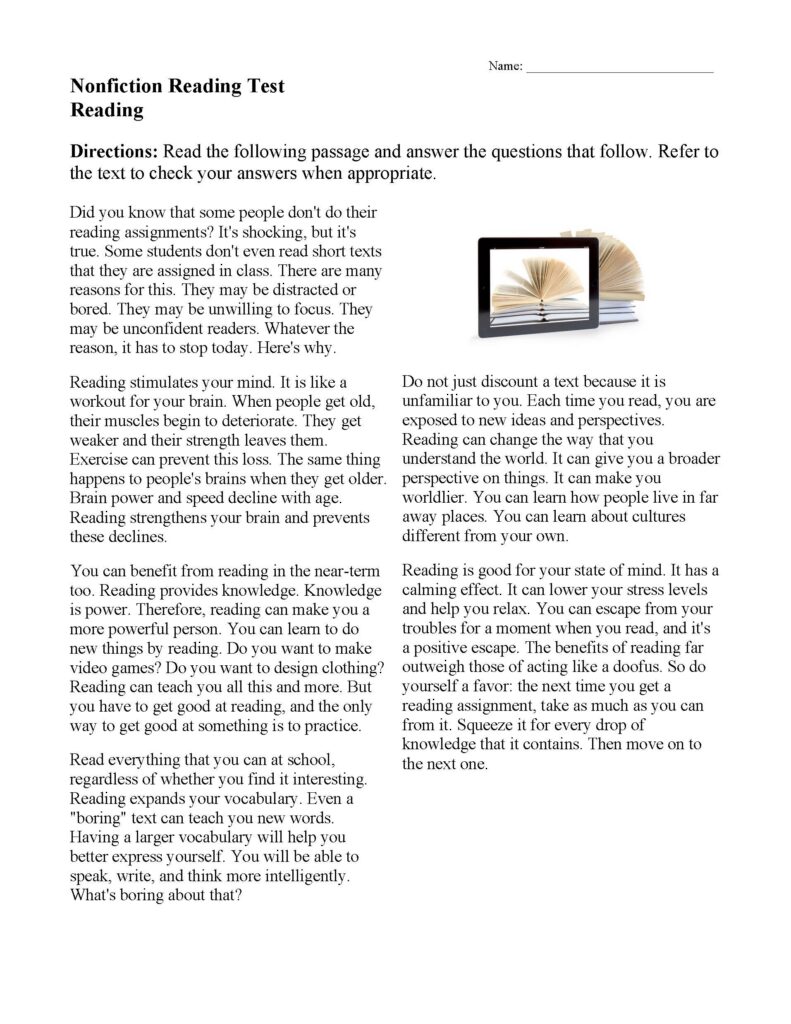
Reading
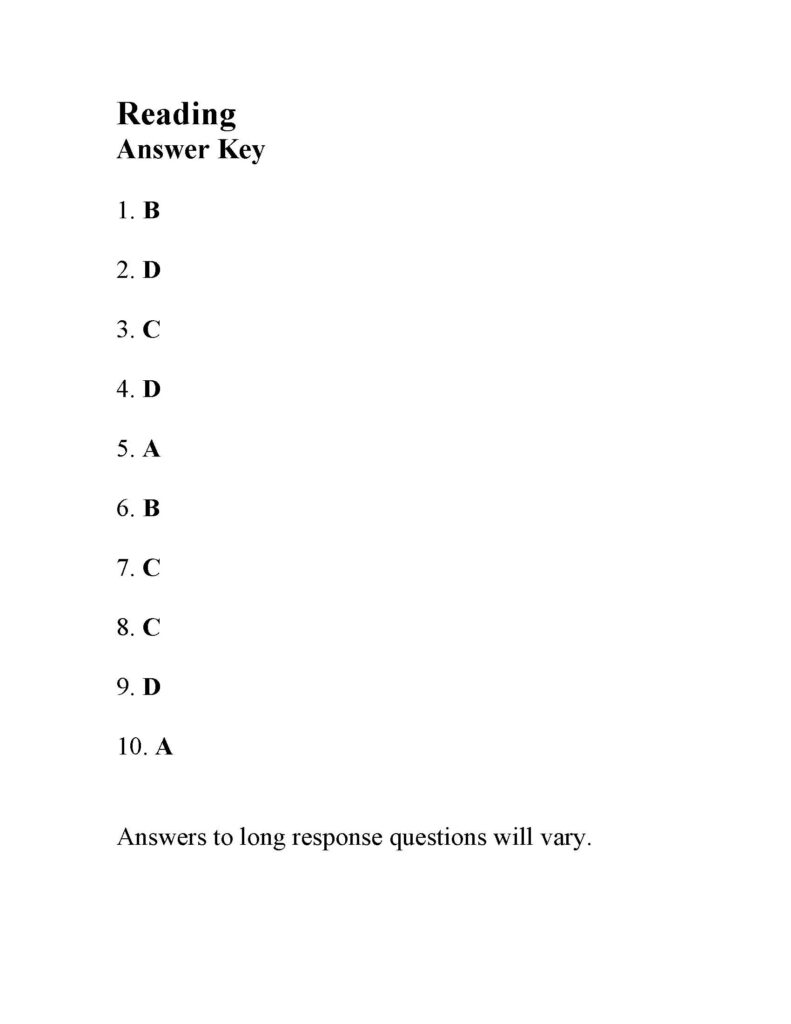
Reading