Comprehension passages are essential tools for enhancing reading skills in students, particularly for those in Grade 6. For Cambridge curriculum students, these passages not only help improve understanding but also prepare them for assessments. This article explores various aspects of comprehension passages tailored for Grade 6 Cambridge students, including their importance, types, and tips for effective reading.
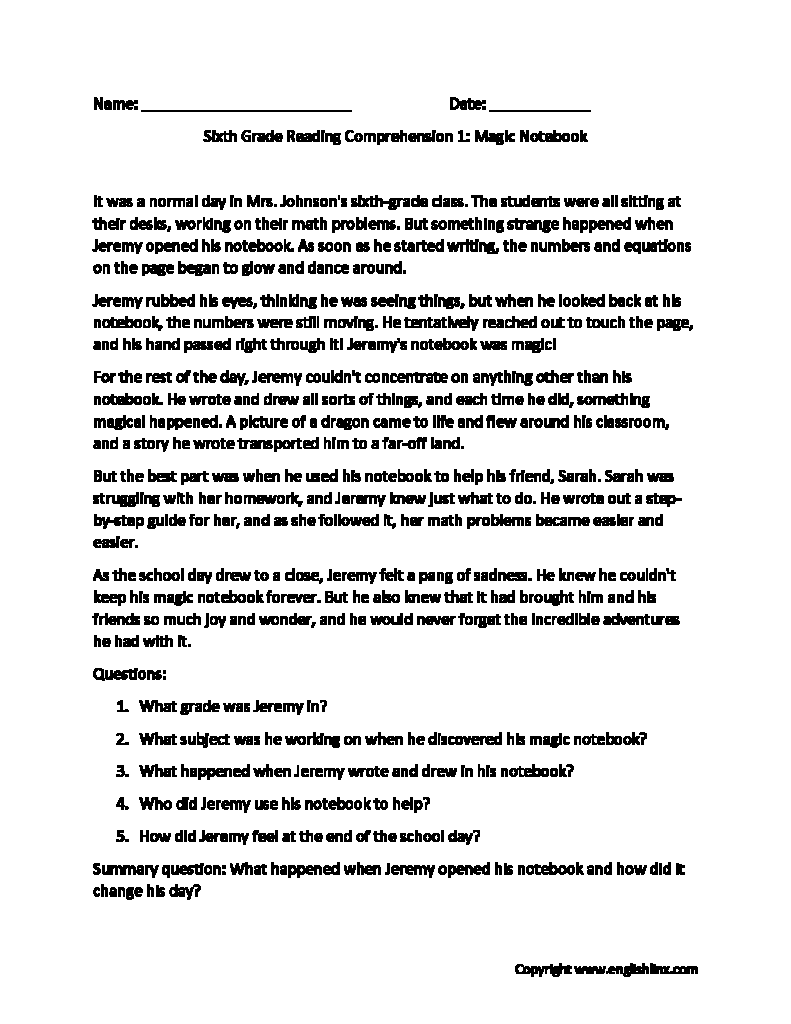
Comprehension Passages For Grade 6 Cambridge
Importance of Comprehension Passages
Comprehension passages play a crucial role in developing critical thinking and analytical skills among Grade 6 students. They encourage learners to engage with texts, fostering a deeper understanding of language and context. By analyzing different types of passages, students can enhance their vocabulary and improve their overall reading proficiency.
Moreover, these passages often reflect real-world scenarios, making learning more relatable and enjoyable. This relevance helps students connect with the material, increasing their motivation to read and comprehend effectively. As a result, comprehension passages serve as a foundation for academic success in higher grades.
Types of Comprehension Passages
There are various types of comprehension passages suitable for Grade 6 Cambridge students. Narrative passages tell stories that engage students’ imaginations while teaching them about character development and plot structure. Expository passages provide factual information on topics like science or history, helping students learn to extract key details and main ideas.
Additionally, persuasive passages aim to convince readers of a particular viewpoint, enhancing critical thinking skills as students evaluate arguments. Each type of passage serves a unique purpose, allowing educators to tailor lessons to meet diverse learning needs and preferences.
Tips for Effective Reading
To maximize the benefits of comprehension passages, students should adopt effective reading strategies. First, previewing the passage by skimming headings and subheadings can provide context and set expectations for what they will read. This technique helps in identifying key themes and ideas before diving into the details.
Another useful strategy is annotating the text while reading. Students can underline important points, write notes in the margins, or summarize paragraphs in their own words. This active engagement with the text not only aids retention but also enhances comprehension by encouraging deeper analysis of the material.
Download Comprehension Passages For Grade 6 Cambridge
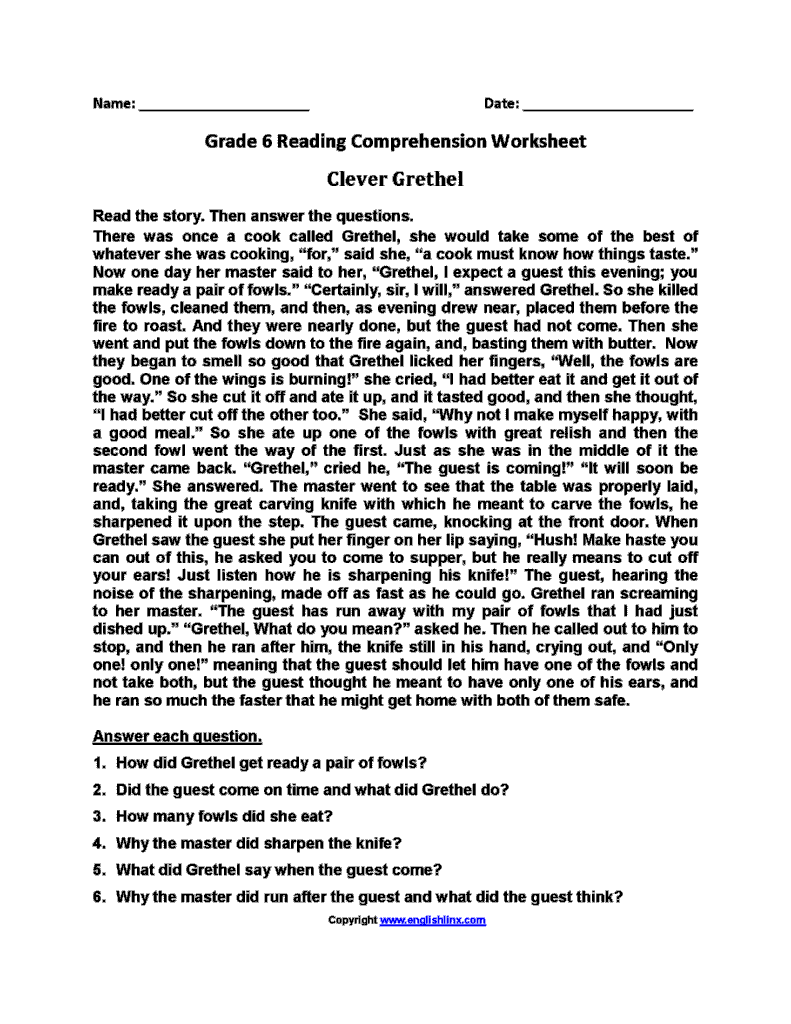
Sixth Grade Reading
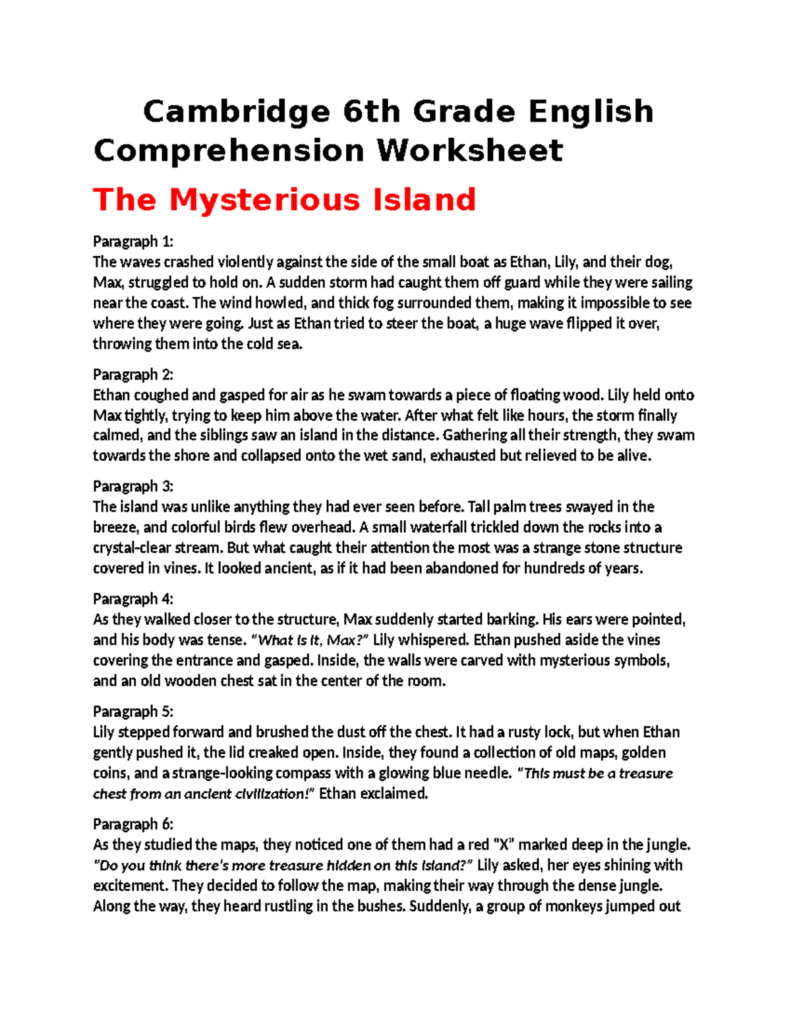
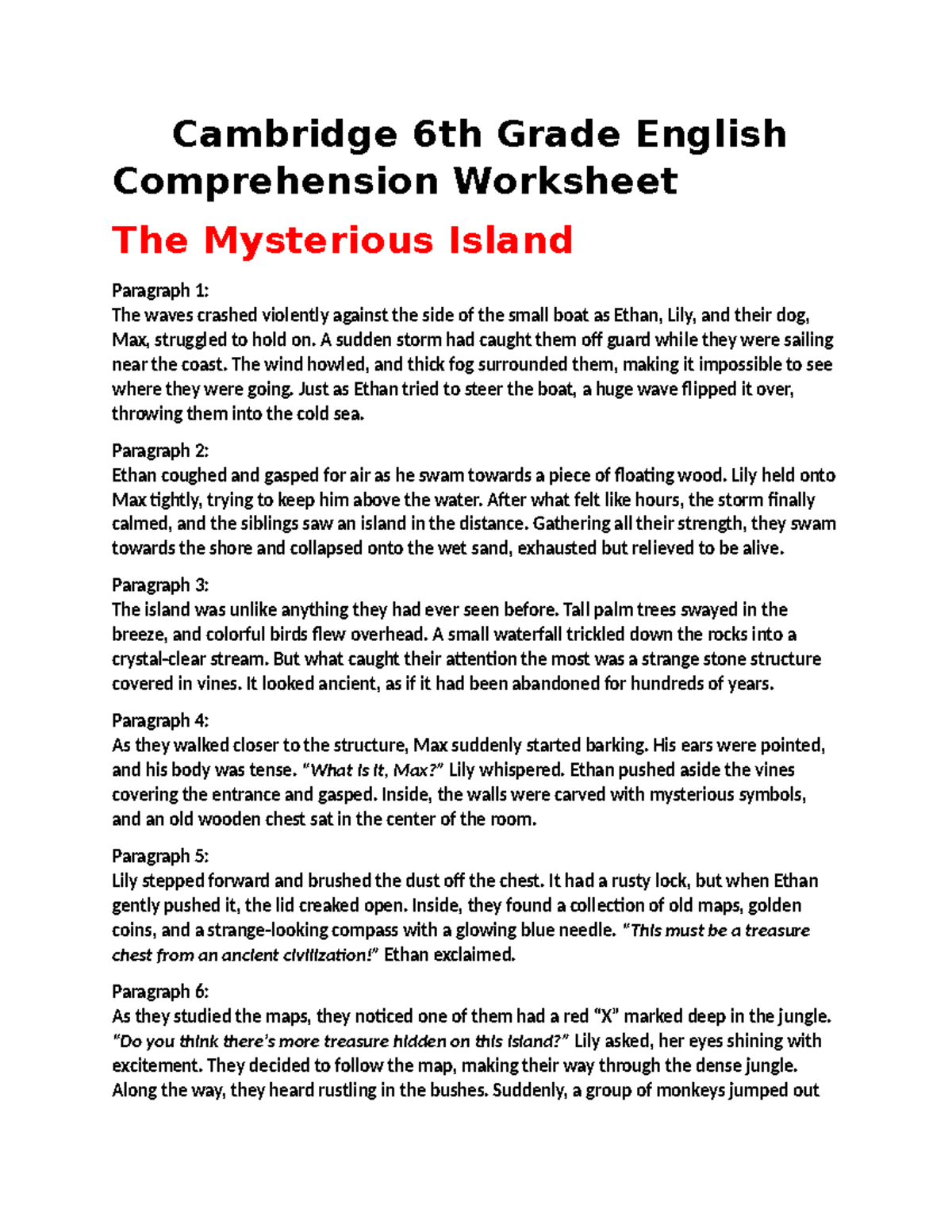
Cambridge 6th Grade English Comprehension Worksheet